Freeway Free in France: All Arles in a Day?


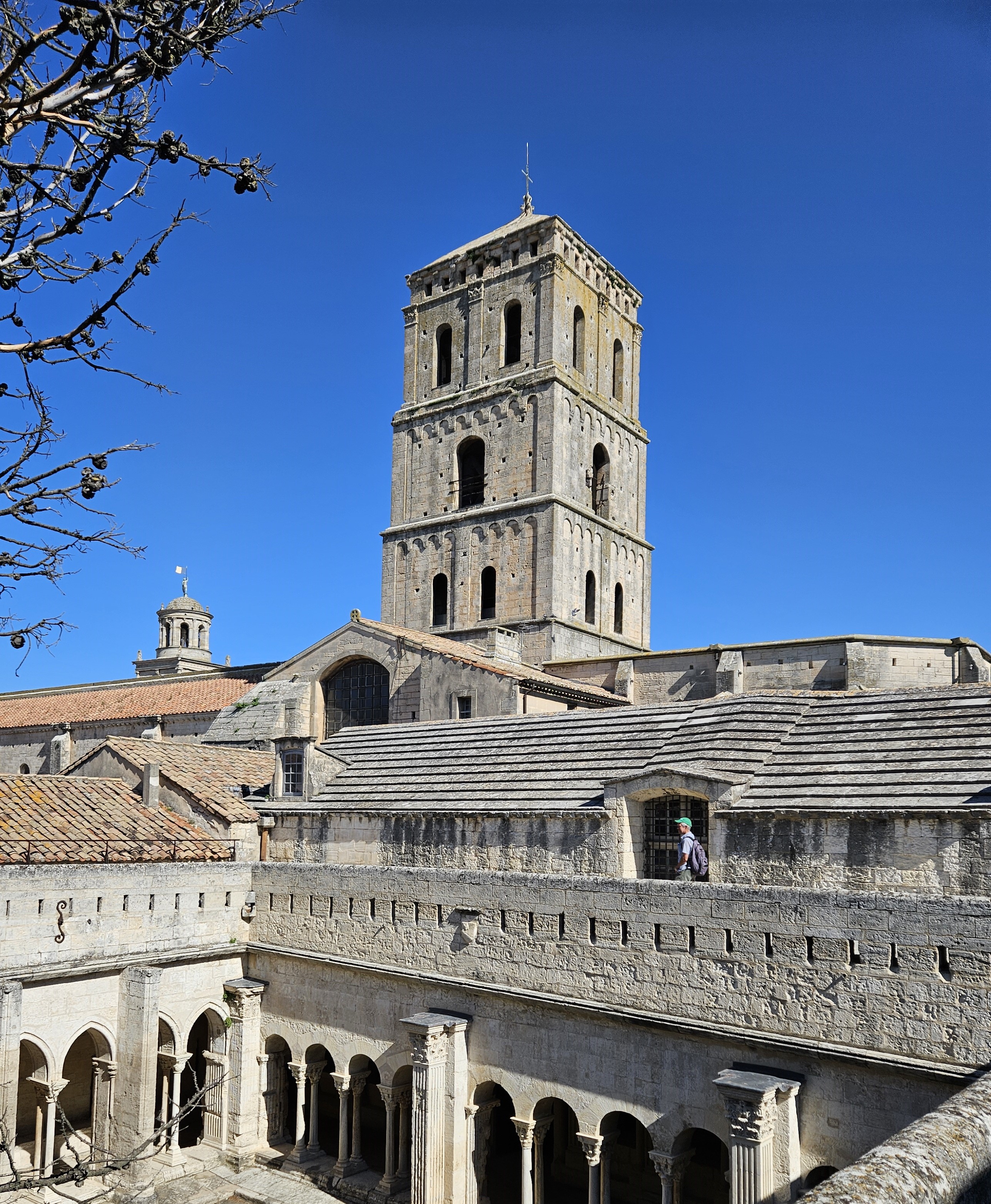
This was our “What shall we do while the rest of the group goes to Avignon?” Day. EJ and I met for breakfast (rather ordinary, but fortifying) downstairs, put on our walking shoes, and set off for the Tourist Information Office down the street. We picked up our Arles 365 Passes, allowing us into ten historical sites and museums, and started across the street directly to the Hotel de Ville (City hall) and the neighboring Cloitre de St. Trophime (St. Trophime’s Church And Cloister). This was our dose of Gothic/medieval Architecture – lots of biblical motifs, Christ in judgment with unhappy souls being led off in chains to the left, while the sanctified get their angel wings on the right, all over the Church door in graphic detail. Inside, lots of chapels with minor saints (St. Roch is my new favorite dressed in the garb of a Conquistadore, but evidently he lived in the time of the plague, and had one of those incredibly faithful dogs.)
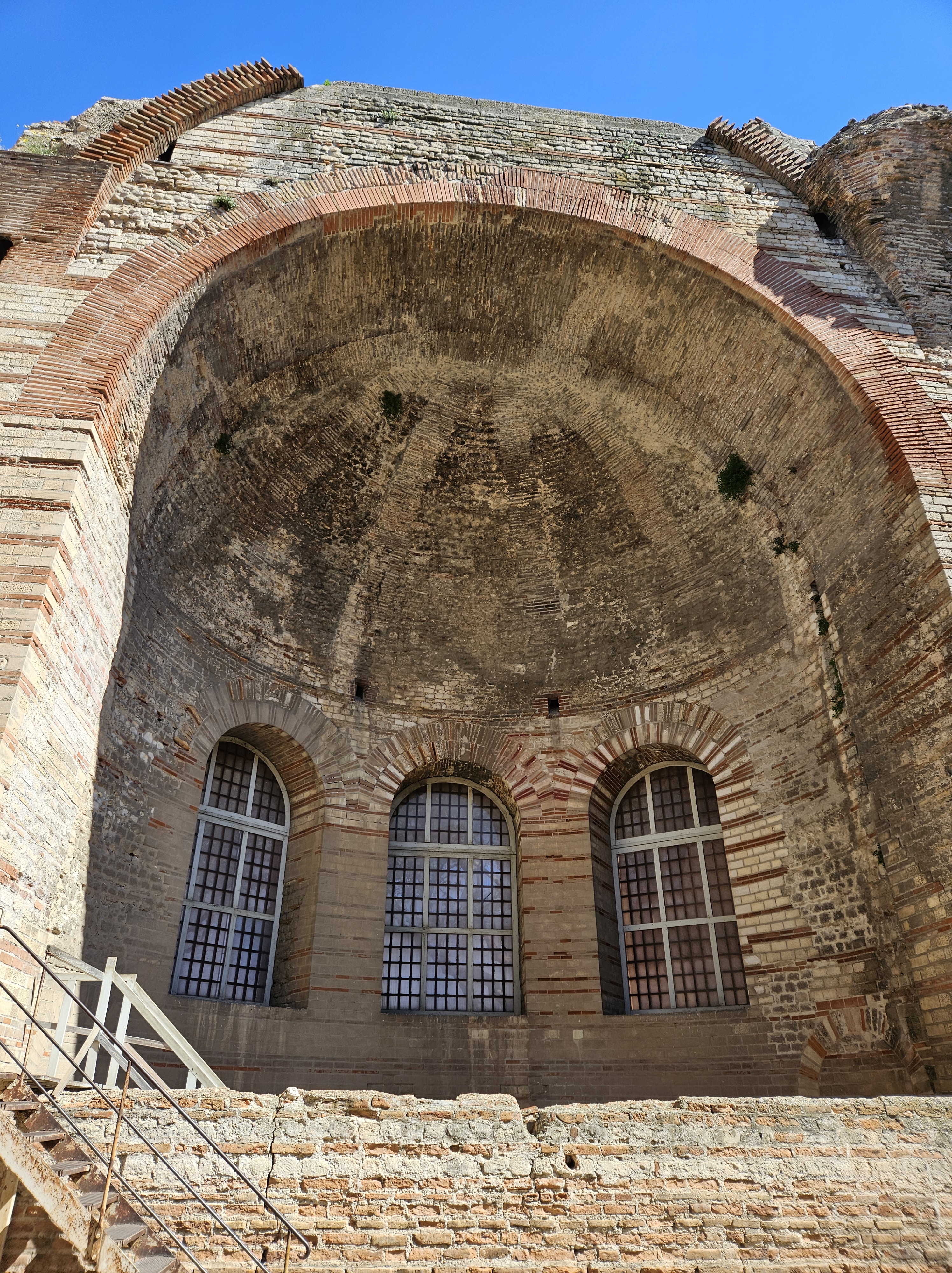

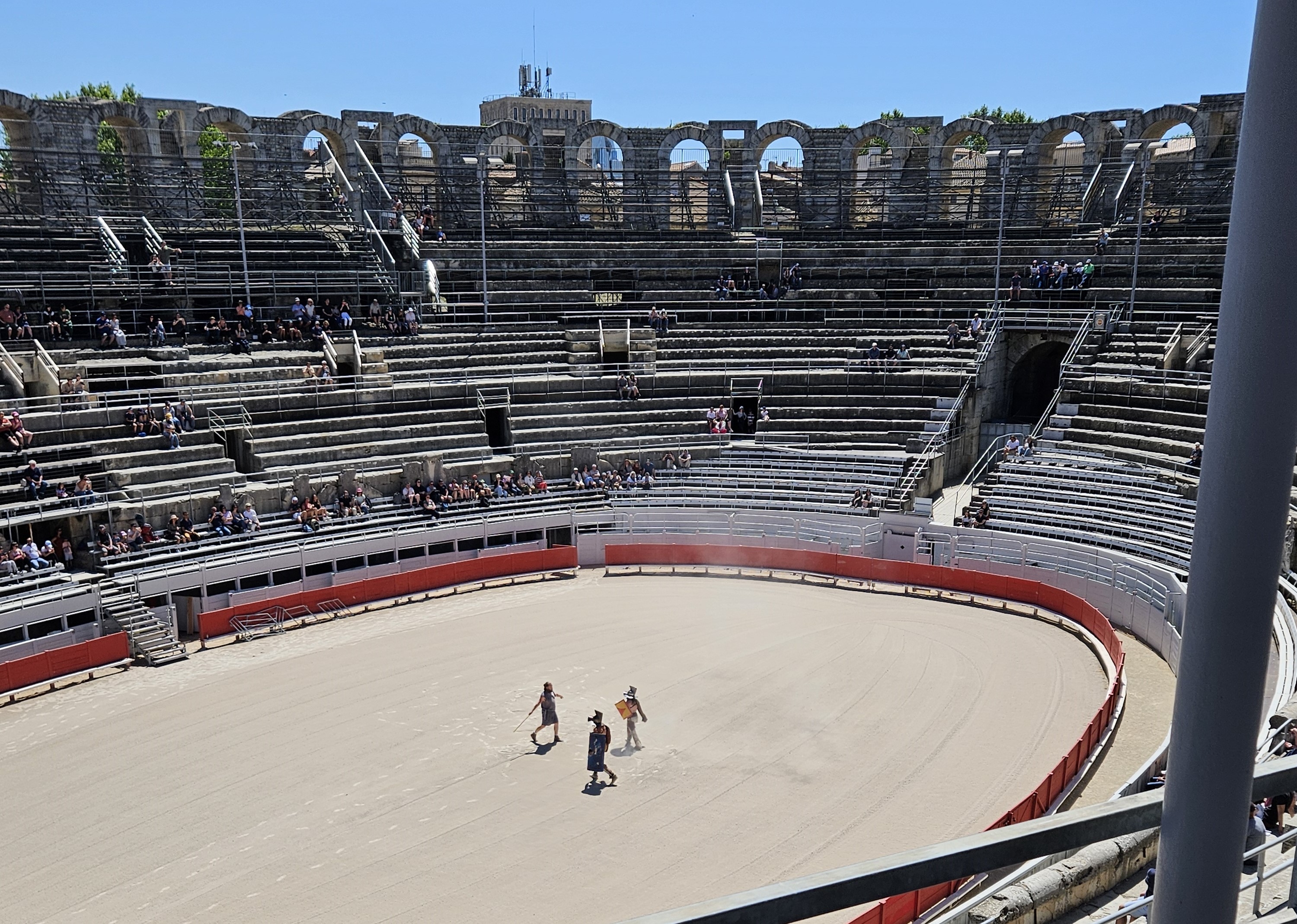
Then up to the riverside where we explored Constantine’s Baths (public steam room, exercise room, sun room, swimming pool – an incredible structure which, when first unearthed, was assumed to be a palace) Then through the adjacent Musee Reattu, an odd collection of 18th century and modern works (“The museum went to sleep during the world wars” explained the catalog), and down to the Arena, where we saw two gladiators battling rather cheesily.


Hungry and hot, we spotted the sign of Le Criquet, a restaurant that had been highly recommended by the Canadians EJ met the previous night, so we plopped down and were treated to delicious fresh shellfish over linguini or over potatoes (we had 2 different entrees) and a floating island pudding that relates to what they used to serve in our college dormitory as Italian gelato relates to a Fudgecicle. Fluffy, meringue, creamy pudding…. The picture can’t do it justice.
Almost dizzy from deliciousness, we decided to work off lunch by walking the length of George Clemenceau Blvd to the Musee d’Arles Antiques.

The museum’s modern bright-blue exterior belies the wealth of ancient artifacts contained within, including a cemetery’s worth of sculpted sarcophagi, murals re-constructed from villas excavated in the neighborhood, an ancient wooden boat retrieved from the Rhone river, its cargo of urns intact, and reconstructed, Greek statuary… and on and on. And, an extra plus after a day of sight-seeing – it’s air-conditioned.
EJ has scheduled a birding expedition led by an expert local guide this evening and may miss dinner, which is why we splurged on lunch a bit. After a short rest back at the Hotel Constantin he leaves to rendezvous with his guide, while BB and I walk to meet the rest of the group at Le Gibolin, a Michelin -recommended restaurant within walking distance.
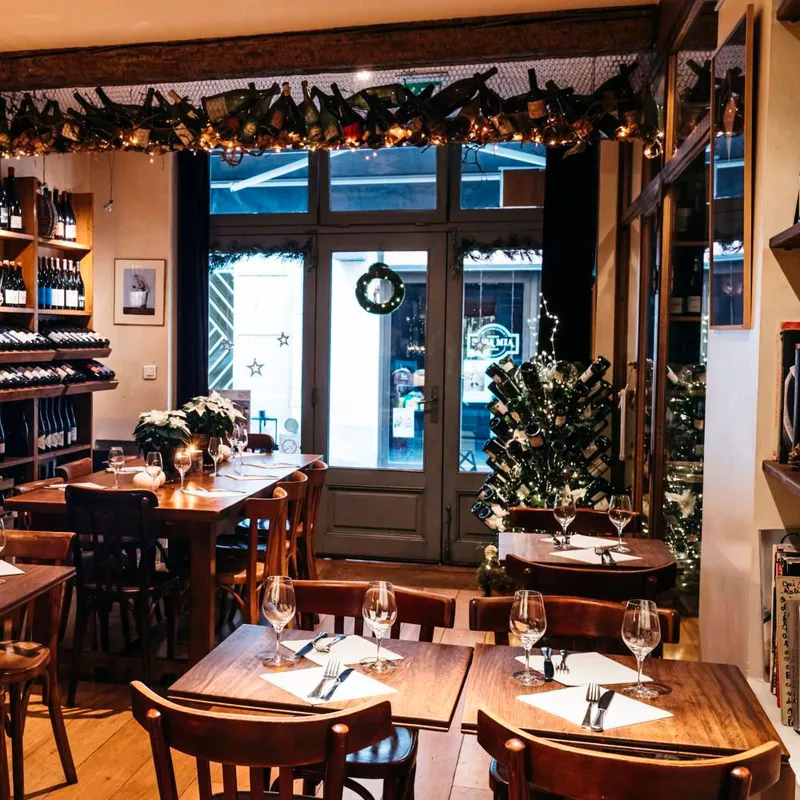
There we meet PS, former leader of our student group in France, whom I briefly dated afterward (he taught me to appreciate hot buttered rum), and SF, who traveled with me and two other students for three weeks crammed into a VW beetle – and still remained friends afterward! Rounding out our table was MV, who had been a high school student in Tours during our stay and whose family had informally adopted PS and me. I had not seen her for over 60 years – the other three I had seen briefly at reunions or visits. Would our camaraderie endure after all this time?
Stay tuned!
 Bayeux was the first French city to be liberated by Allied Forces. Troops marched into the city on a street bordered with cheering townsfolk who waved French and American flags, and offered kisses from happy young women and fresh baked treats from older ones. The Germans evacuated so quickly that they had no time to organize a defense, so the most of the medieval structures remained intact.
 We first stopped at Bayeux Cathedral, with its mix of old and new stained glass, its ornate Gothic verticality, its mystic paintings decorating the crypt beneath the alter. The apse was decked in French tricolor, British Union Jacks, Canadian maple leafs, and American stars and stripes. Behind the altar there was a large concert band practicing for Prince Charles’ visit the following day (Wed. June 5). This was a truly excellent brass ensemble, plus some woodwinds and tympani. The sound reverberating through the cathedral was thrilling. One piece was “The Spitfire Overture” and another, appropriate for a visiting Brit, was the lovely, noble main theme from “Jupiter” from “The Planets” by Gustav Holst. My partner, a music-lover with bad knees, stayed in the church for the whole rehearsal while I wandered around the side chapels and lower levels.


 Right across from the cathedral is an old store front set us as a
 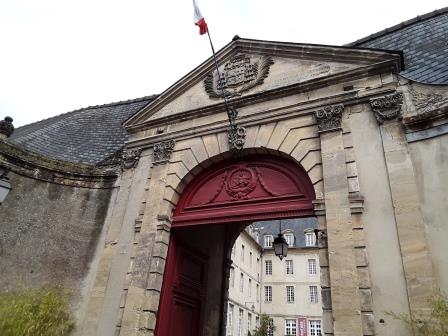 Of course, Bayeux is most famous for that other artifact of war, the


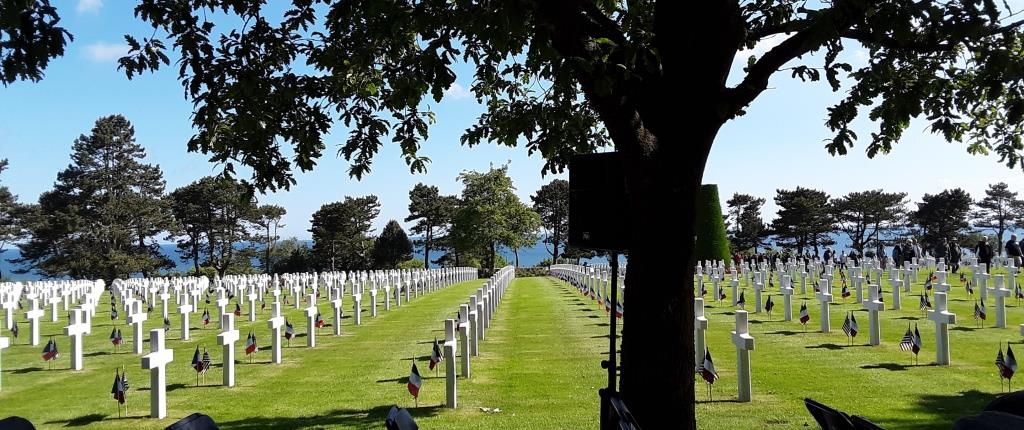 I had the good fortune to be among the 12,000 + invited guests at the 75th anniversary ceremonies commemorating the D-Day landings in Normandy.
 We were among the last 4000 to arrive at the American Cemetery, and the stage and podium seemed several football fields away in the distance. But giant Jumbotron screens gave us close up views of Air Force One (both jet and helicopter) and its occupants as they landed, and of President Trump’s ceremonial greeting of guests President and Mrs. Macron onto what is considered American soil.


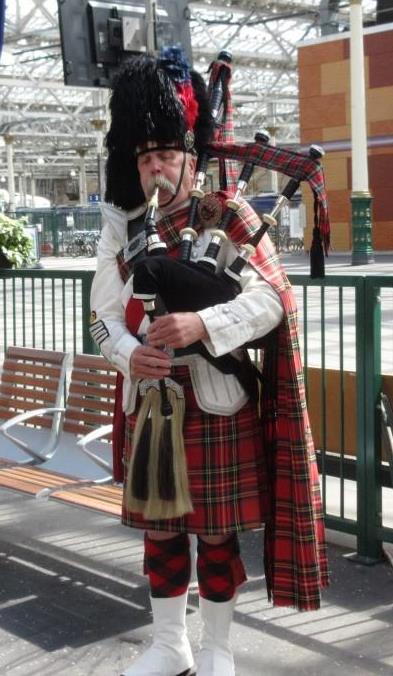 The classic ad for Scotch Whiskey started with “What does a Scotchman wear under his kilts?” Now I know.


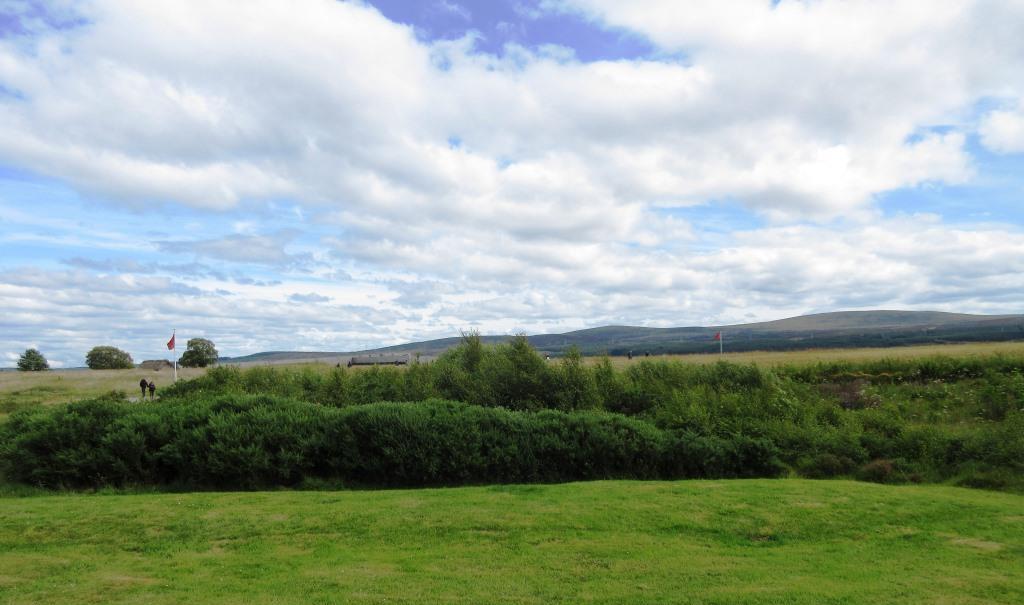 Why do we yearn over battlefields and lost causes? At the Battle of Gettysburg, the High Water Mark of the Confederacy gets more photos than any other monument. Even on our cruise in Alaska we toured a battlefield – the last stand of the Kwakiutls or some such. We are in awe of places where lots of young men died for reasons they and we no longer understand. And here we are at Culloden, where young Scotsmen in kilts wielded swords and battle axes against British cannon and riflery, and died bravely for a prince who escaped the carnage and lived out a wastrel life in Italy. .


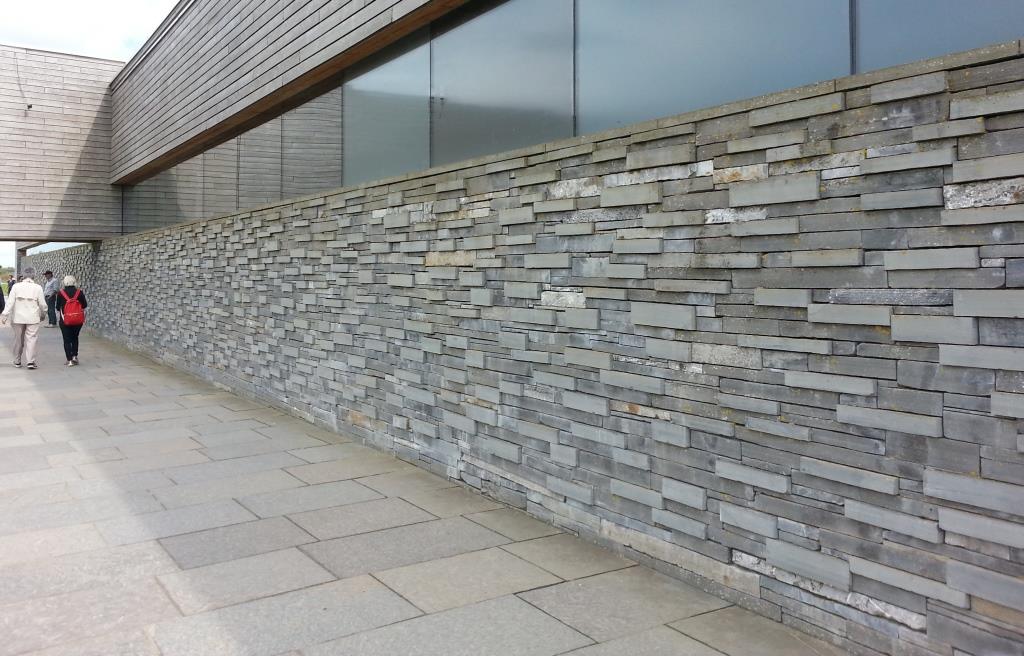 You see, you understand.
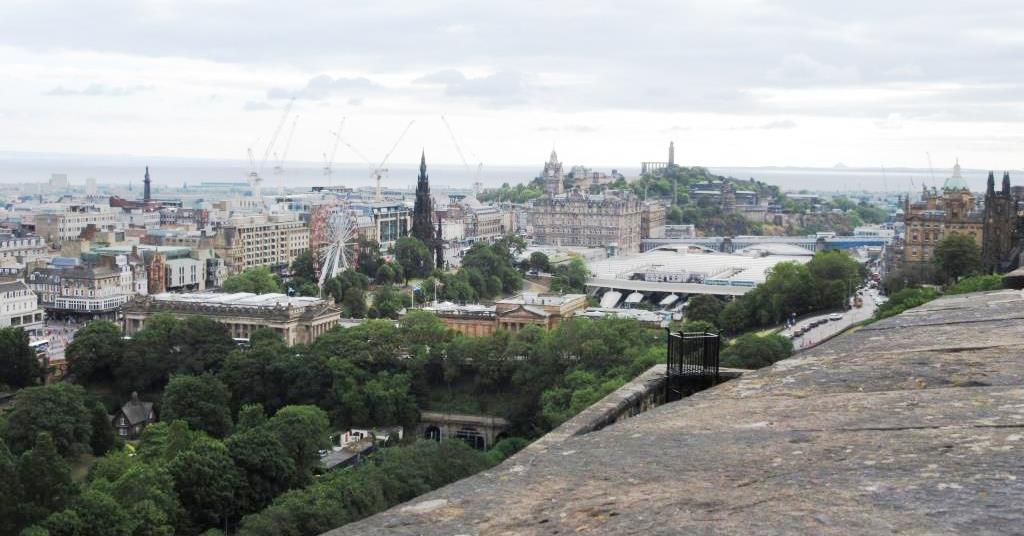
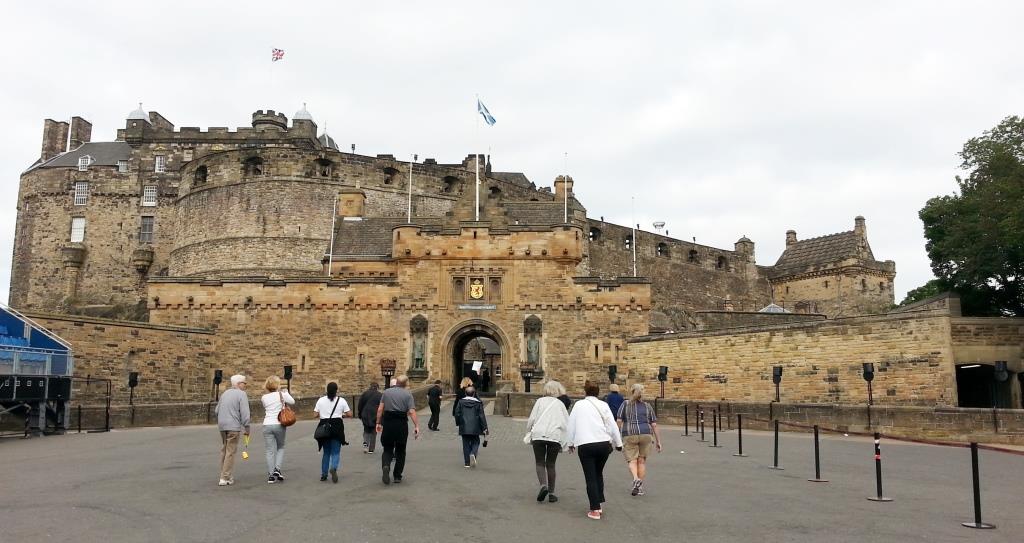 I can’t say I knew Scotland better after a whirlwind tour, and certainly gained no real insiders knowledge of its captital, Edinburgh. So I will give you a bullet list, and some photos, and leave you to explore this fount of history and legend as you will.


 I was thrilled to be going to York long before I had seen a picture or read an itinerary – as a long-time fan of Josephine Tey’s


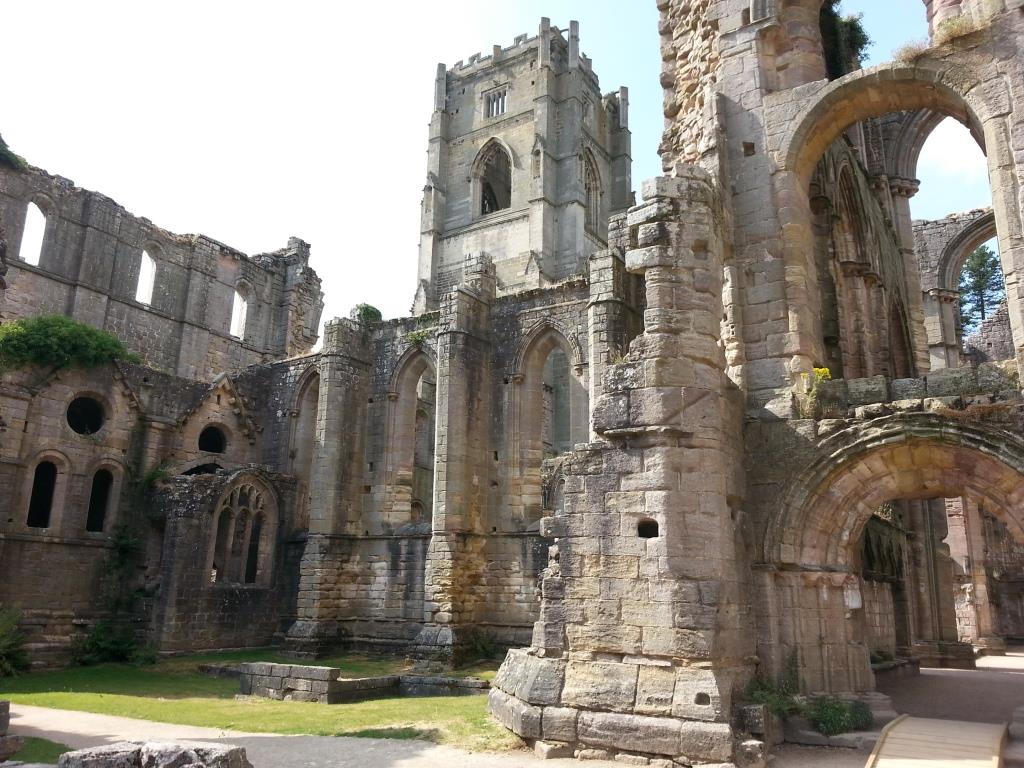


 The disaster which struck here was no natural catastrophe, nor military strike. It was called

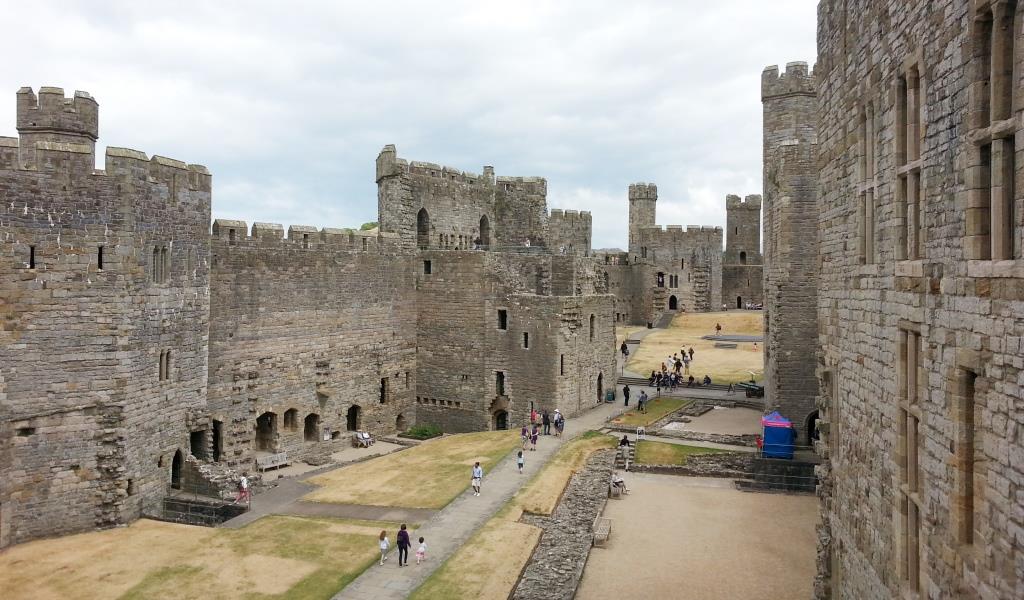
 From Caernarfon Castle we moved inland to Conwy, a walled market town with some beautifully preserved Elizabethan homes. I could imagine the burgher who lived in Plas Mawr inviting other village citizens to dine, quaffing local ale and bemoaning the unreasonable demands of the lord of the adjacent castle. Meanwhile, the servants in the adjacent kitchen would be skinning the local game and trying to keep drops of sweat from dropping into the soup.


 I’m a lifelong fan of


 Allyson Johnson