Freeway Free in Colorado: It’s Fun to Stay/at the YMCA

Coming down from Rocky Mountain National Park, having gotten our full dose of quaintness at Grand Lake, we were expecting more of the same. But once we hit the T intersection with Highway 40, the next outpost of civilization was Granby, perhaps the most unpicturesque town in Colorado. It is as though the town fathers along US 40 had gotten together and agreed to put all the useful, practical, unromantic elements necessary for civilization in one town: we passed a medical clinic, a truck stop, a modern hardware store, a fire station, and a post office, all seemingly made of the same uncompromising beige 1950’s era cinder block. One building, the Longbranch saloon, shows on the town website festooned with flags and/or flowers, but maybe this is only for photo shoots. Poor Granby is the ugly old-maid sister who makes herself useful.
Happily, we could breeze right by Granby. We had already selected our local home base, an unfussy family-type resort at the Snow Mountain Ranch (AKA YMCA Camp of the Rockies) just a little further down the road. In winter this center offers fine cross country skiing as well as an indoor pool and a roller-skating rink; in summer there are hiking trails with great veiws, a canoeing lake for beginners, an archery range, horseback riding, a miniature golf course (pretty bare of grass, but it’s there), and other outdoorsy things, as well as a craft center for rainy days.


Best of all, this place is ridiculously affordable. A 2-bedroom cabin that sleeps five is $249/day. There are also rooms available in various lodge building which can accommodate up to six people in a single room at true bargain rates, or you can opt for a yurt. If you wish, at a very reasonable cost you can opt for three square meals at the cafeteria. Food is about the quality of Denny’s, except for watery scrambled eggs in the morning.
So we hung out at the Y for a week, hiking, biking, and scaring the local fauna. (More on this next post)


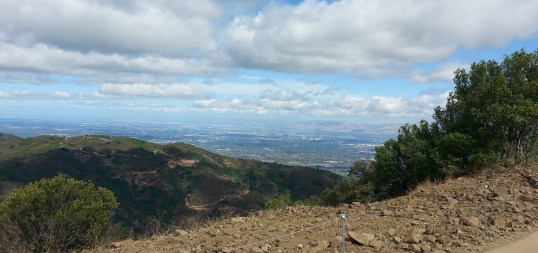
 Then a controversy prompted action. In 2009 Midpen obtained Federal funding to clean up the site, and one of its first ideas was to tear down the remains of the radar tower and restore the site to its pristine pre-Cold War state. Valley residents erupted with letters and meetings – the tower was ugly and dilapidated, but it was an icon none the less, part of the Valley’s landscape and history for 60 years, and we didn’t want it to disappear without ever having had the chance to visit it.



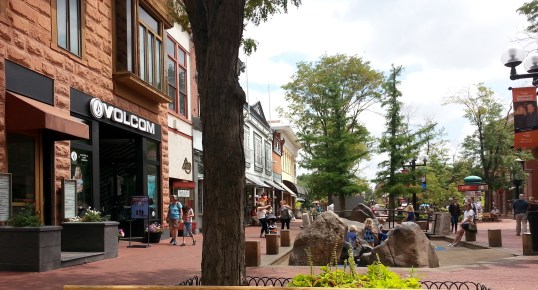 Once you are in Boulder, you could simply enjoy the atmosphere of the bustling University of Colorado campus, or spend your time hiking and rock-climbing in the FlatIrons above town. But if your interests are less academic and less strenuous, your explorations may lead you to a number of Hidden Treasures.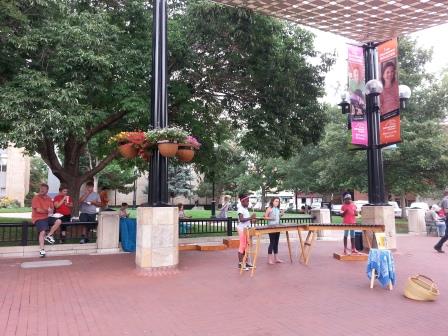

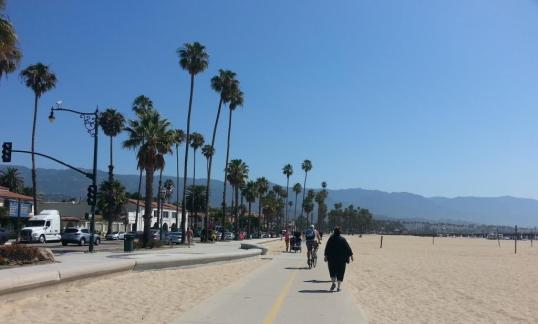
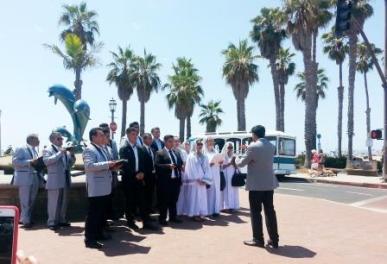
 We proposed at first to walk uptown, but W noticed signs for a shuttle going up and down State street every 1o minutes. The trolley was open air, crowded with tanned beachgoers and families, and at 25 cents for Seniors , 50 cents for youth, it was a bargain. Looking for historic Santa Barbara, we set down at the Paseo, but we were disappointed to find that it was merely a modern shopping center dressed up in red tile roofs and Adobe.



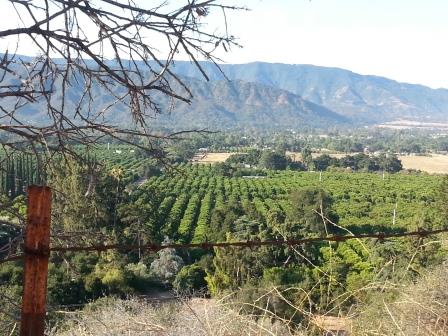
 After breakfast we headed out to Carol Vesecky’s organic orchard, where she cultivates about 40 different varieties of fruit. These included several varieties of mulberry, oranges, grapefruit, apples, figs, and several exotic south and Central American varieties that I did not recognize, though my companions who had spent time in South America greeted them like old friends. After picking some mulberries (and eating half of what we harvested as it was picked) we headed for the
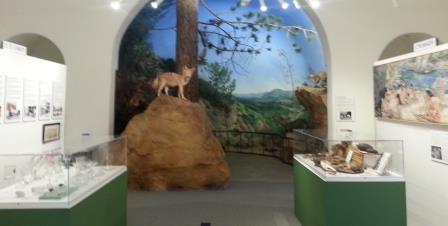
 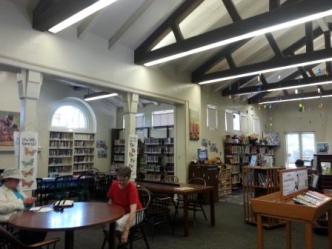 We checked in at the library, an old -style adobe and beam rambling building, then left W there, still writing, and continued to the Ojai Museum, located in a re-purposed church. My cousin, a long-time resident, had never visited before, and found out quite a few things about Ojai that after 27 years of residence she had never learned.
 Some might have been daunted at prescribing mission architecture when in fact Ojai had nothing resembling a mission. No problem. Libbey engineered the building of a mission-style Post Office, complete with a four-story bell tower which chimed each quarter hour. The false storefronts were replaced with cream-colored stucco and tile roofs; the wooden sidewalks were replaced with terra-cotta pavers and covered with arched arcades. Abracadabra! – Instant ambience!
 I am off to visit my cousin and friends who are rendezvousing in Ojai, 500 miles south. Google Maps sends me down the old main artery of California, US Highway 101, known as the Bayshore on the San Francisco Peninsula, the Monterey Highway in San Jose, and a dozen other names as it passes, (or nowadays bypasses) every mission town – the brown Historical Marker signs for San Juan Baptista, San Carlos Borroméo del Carmelo, San Miguel, La Purissima, and a number of crumbling Adobe dwellings are more abundant than the Golden Arches on this particular road. But today I am on the freeway, dodging big rigs and RV’s, not looking for picturesque byways.
  For lunch, I treat myself to a stop at the


 Allyson Johnson