Allyson Johnson

Pieces of my Mind

Archive for the tag “outdoors”

A Piece of My Mind: The Last Ride
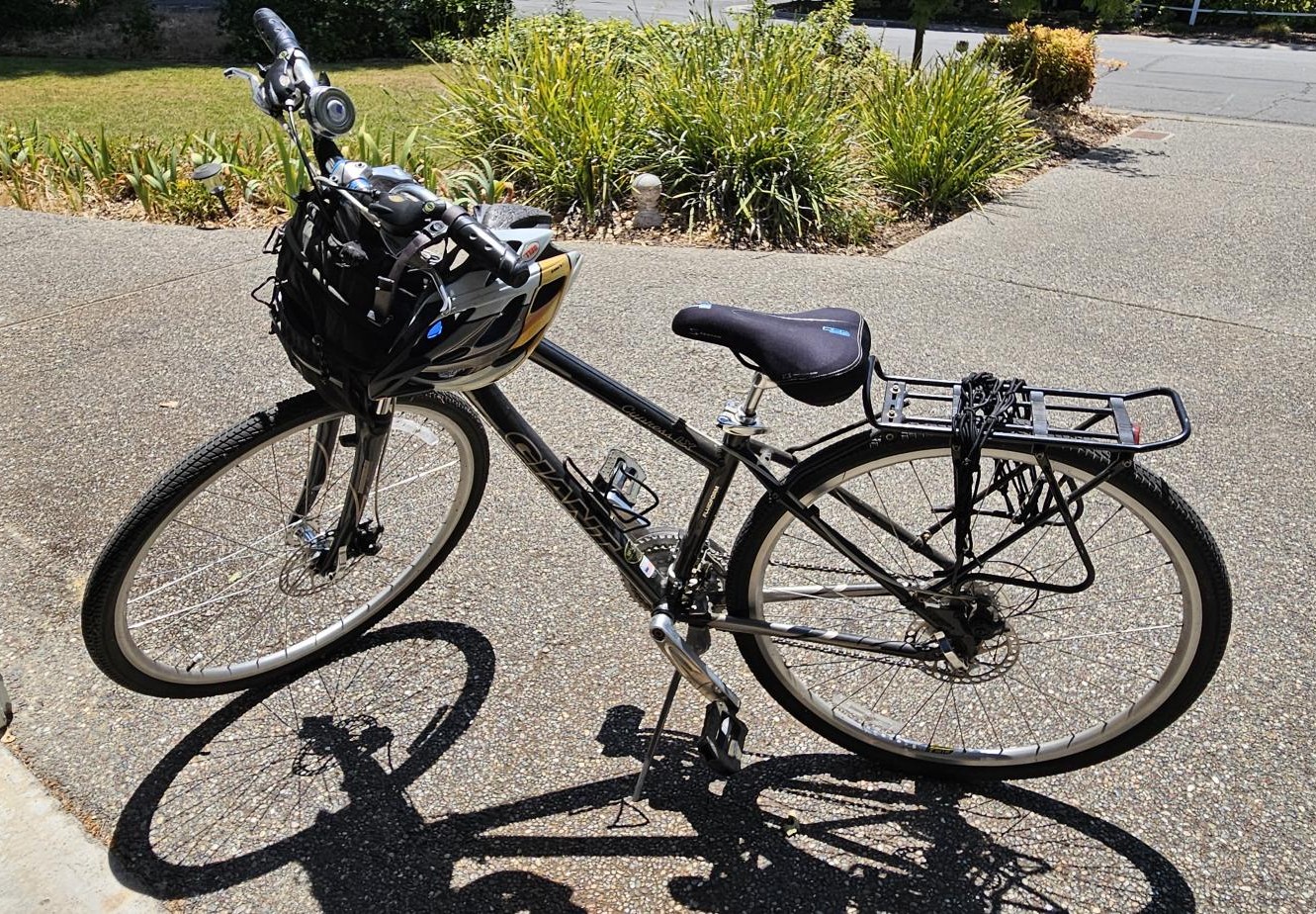
I loved the freedom of riding a bicycle ever since I first learned to balance my balloon-tired Schwinn on the tar roads I grew up with.  As a child I could ride as far as the neighborhoods that had pavement and sidewalks and could admire the columned porches and vast green lawns behind the fences. When I was 12, I won a three-speed lightweight bike in a contest.  I was over the moon. That bike took me through college, getting me to class on time as I swooped past plodding pedestrians, until in my senior year I left it unlocked for just a few minutes and it was gone. 

After I was married my husband and I treated each other to Raleigh three-speeds, as we had only one car.  I would pedal across town to the home of a co-worker and we would carpool together;  I drove the carpool on alternate weeks, while my husband would either bike or bus to his job.  

Our children started them out with bike seats on the back of our bikes, then encouraged them to learn to ride themselves.  Once they had mastered their bikes, we took them and the bikes to Yosemite, to San Francisco, to Monterey, and on every bike trail within thirty miles.   

Years later.  My husband had a fall a few years ago and his knees are going out,  but I continued to ride my bicycle, against his advice, on local errands: to the library, to my hairdresser, to the blood bank. “What if you have a crash?” he would ask me.  “People are going to read about it in the paper and say “What the heck is a woman that age doing on a bicycle anyway?” 

“I’m careful, “ I said.  “I’m not going to crash.”  And I didn’t, exactly.

I hopped on my bike on a Saturday morning to pick up some bagels from the House of Bagels, about a fifteen-minute ride from my house. A lovely morning – just enough high clouds to keep cool, no traffic.  I sailed along the main street on the way to the bagel shop, taking a few detours on loop streets to admire the jacaranda trees in bloom, check out the progress of the construction projects, see if there were any windfall fruits to be picked up.  I zoomed into the parking lot by the bagel shop… and my brain froze.

I couldn’t remember how to dismount from the bike.

I had had a little trouble dismounting the last couple of times I had ridden;  the most recent time I managed somehow to give my shin a good whack and had raised a faint blue bruise.  But I had gotten off this bicycle hundreds of times. The act should have been deep in my muscle memory, something I did without thinking.  Now I had to think. To dismount, I only had to do in reverse what I had so easily done getting on: lean on the left pedal, swing my leg up and over the seat and rear wheel, apply the brakes.  I circled around the parking lot and tried again. No way. Nothing but icy fear of losing my balance, of falling.

There was a high curb with a railing not far from the bagel shop.  I pulled up to that, stopped, and then managed to step up onto the curb, hold onto the railing and haul my leg over the cross bar.  Shaken, I walked the bike across the lot to my usual lockup spot next to the bagel shop. “That was weird,” I thought.  “That was really weird.” 

I bought two bagels, swung onto my bike with no problem, rode home, rode up my driveway… and my brain froze again. I couldn’t do it. I could not swing myself off.  My muscle memory had gone dead.

I braked and with some difficulty managed to get my leg over the crossbar without falling over.  I trundled my bike into the garage and parked it next to my husband’s bike. which was covered in cobwebs. His tires were so flat the wheel rims touched the ground. I stood looking at it for a few moments.
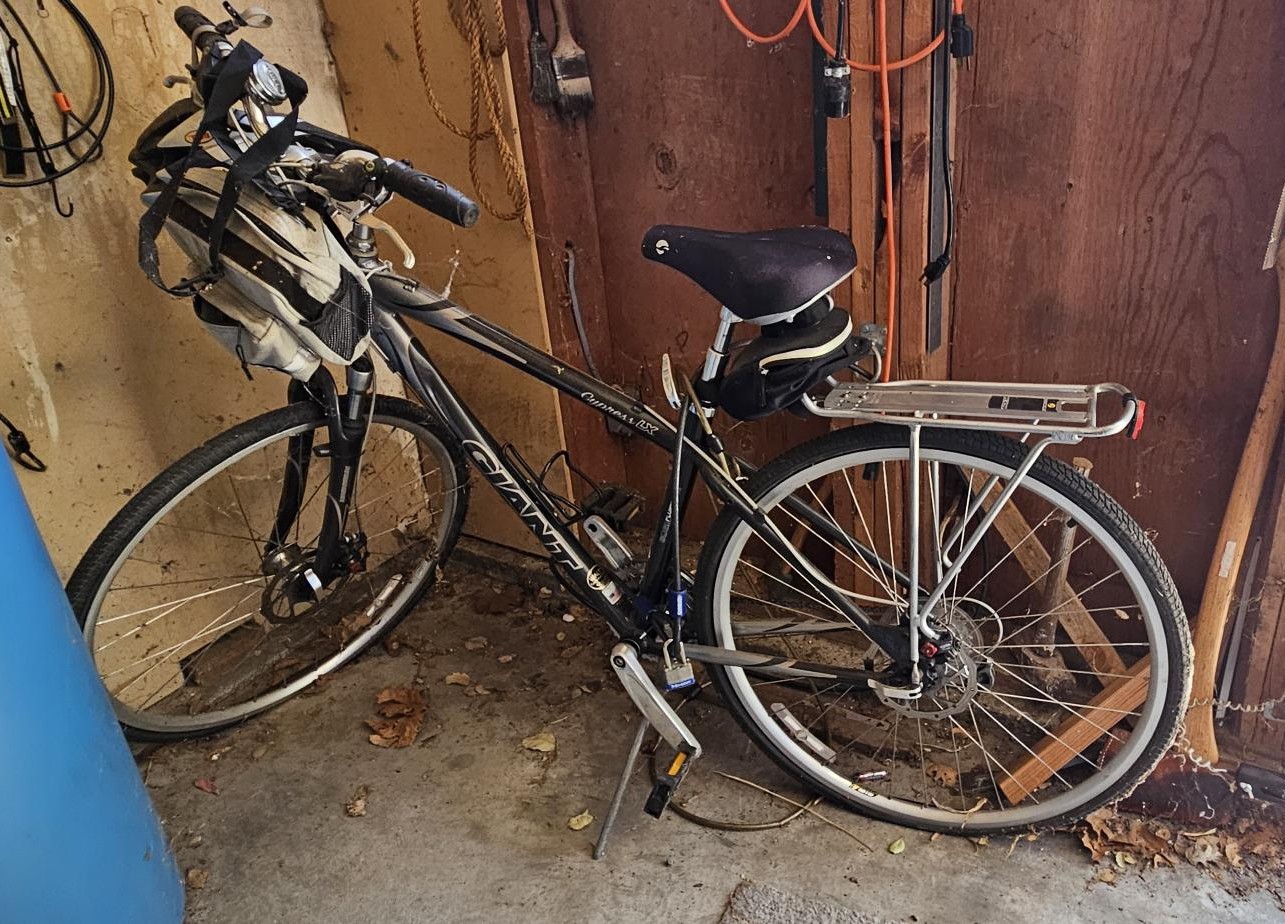
Then I locked my bike up as usual, went into the house, and emailed the local Bicycle Exchange.  I have two bikes to donate.  Within two days the bicycles and all associated accessories were gone.

 I know this was a good decision.  I have several friends who have been injured severely when their bikes slipped out from under them.  But I miss the freedom of riding my bike.  I miss being able to stop and inspect changes in my neighbor’s gardens, to take short cuts through suburban bikeways, to not worry about parking. I’m envious of the people who are trying out the newly painted bike lanes on El Camino and El Monte.  It’s no fun driving to my hairdresser.  On Saturday morning my husband goes for the bagels now.

There’s an empty space in our garage.  I expect it will gradually fill up with the things that go into garages. I hope the empty spaces in my mind will fill up too.

Freeway Free in Columbia SC: Outdoors in SC

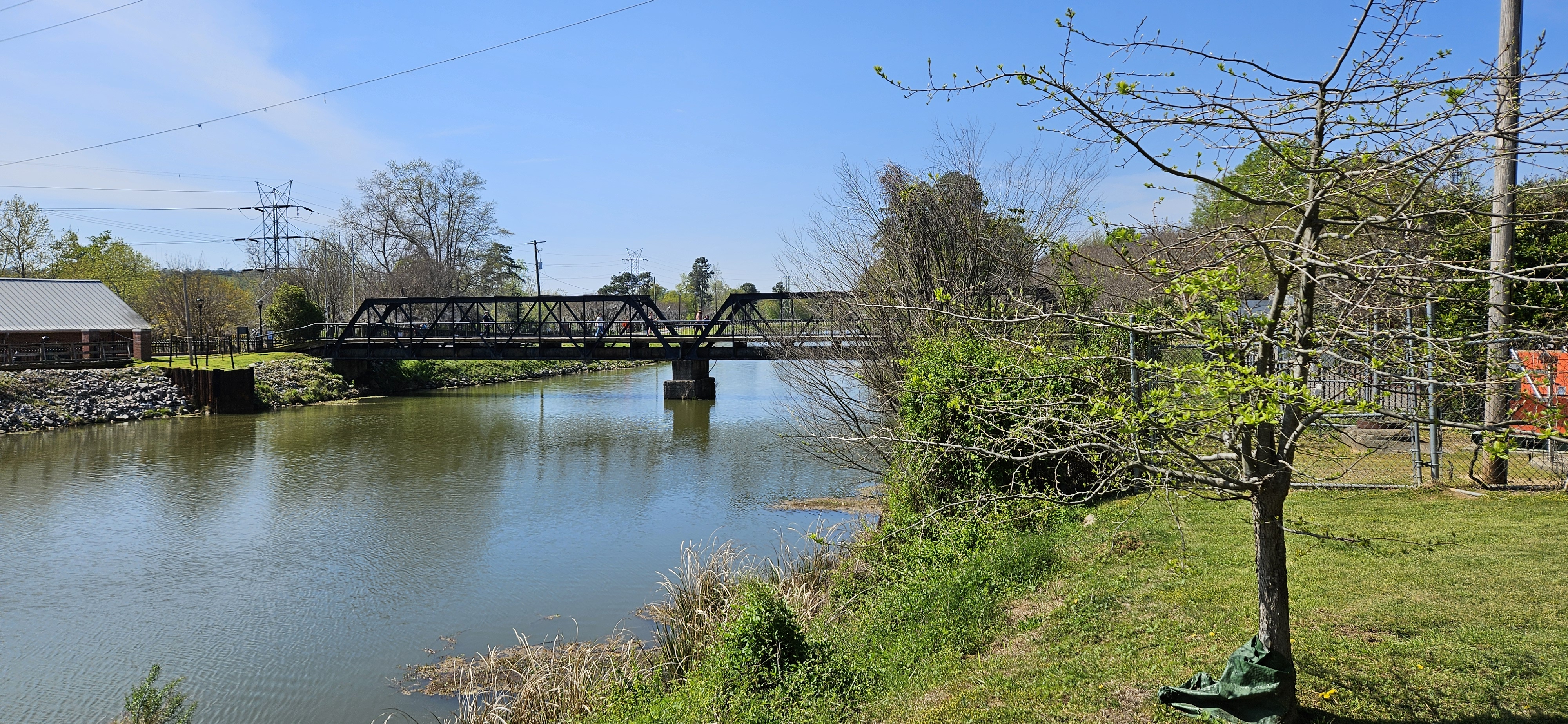
Outdoors in South Carolina is a lot different from outdoors in Northern California, where I spend most of my time. SC is green, the air is moist, there is water, and there is history. Columbia’s Riverbank Walkway is a wonderful illustration of the difference, with its effortlessly un-irrigated green spaces, its leisurely meanderings along the Columbia Canal, and its unexpected evocation of the workers who built the canal.

We parked at the Laurel Street entrance, just late enough to avoid a major fun run which had been organized for the morning – volunteers were folding tables and taking down canopies, but they cheerfully directed us down the pathway to the canal.

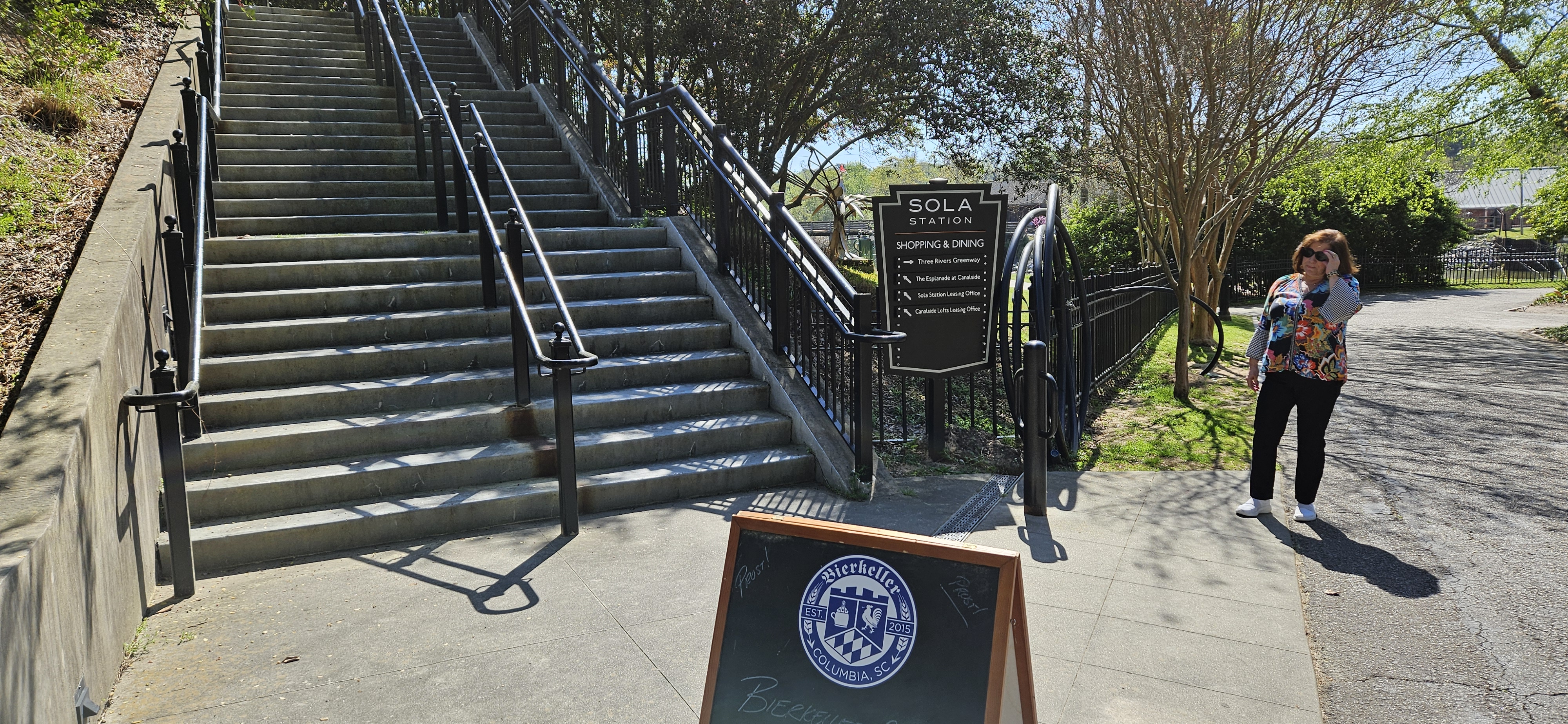
On the way we pass a steep stairway leading upward. Signs let us know that there is a restaurant above, probably with a fine view of the canal and the river beyond. We resist the temptation.

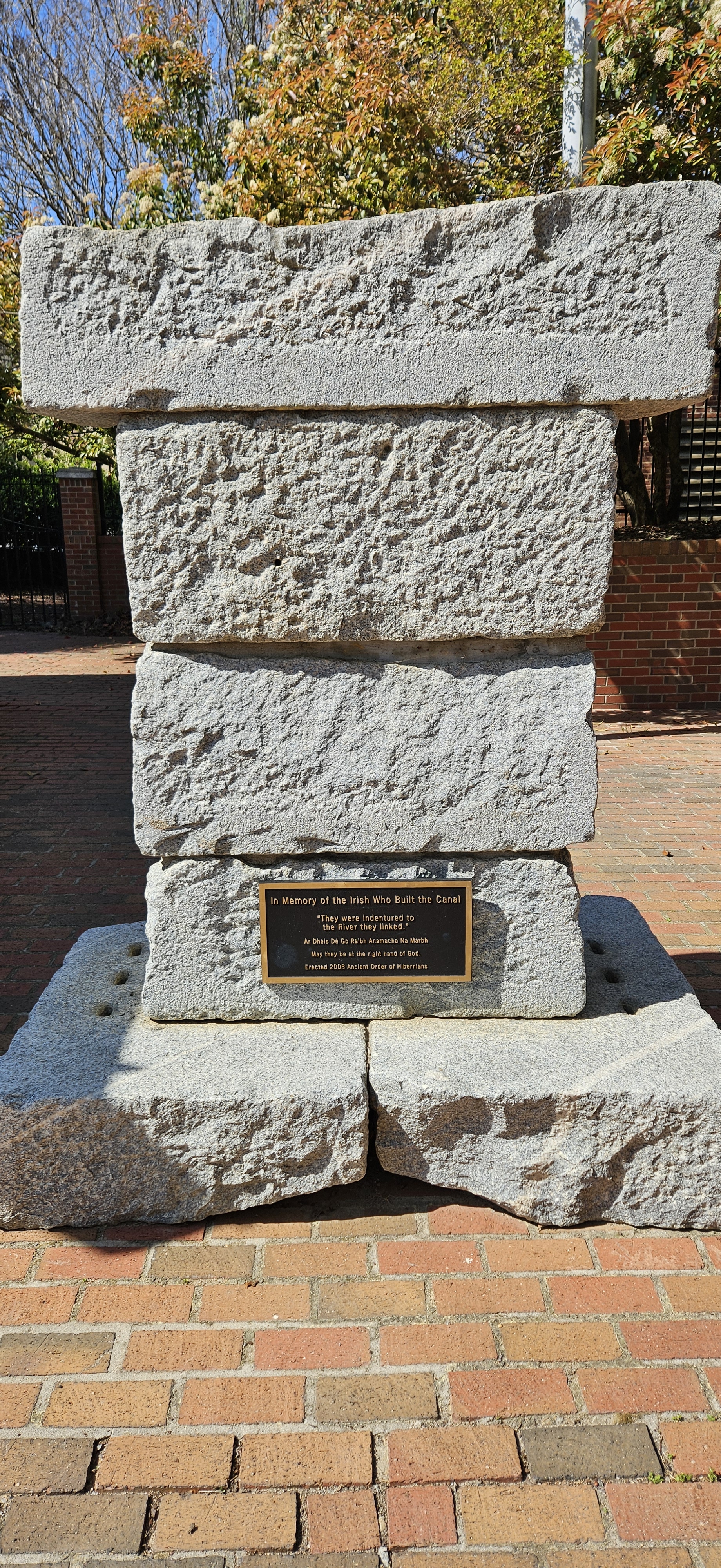
Further down we spot a building off to the side, which turns out to be the former operating station for the canal. Facing the building is a monument to the Irish worker who helped build the canal. I remember that at the time of the canal’s building there were probably signs in downtown Columbia reading “Help Wanted: No Irish Need Apply”, and felt pleased that this maligned immigrant group was receiving recognition.

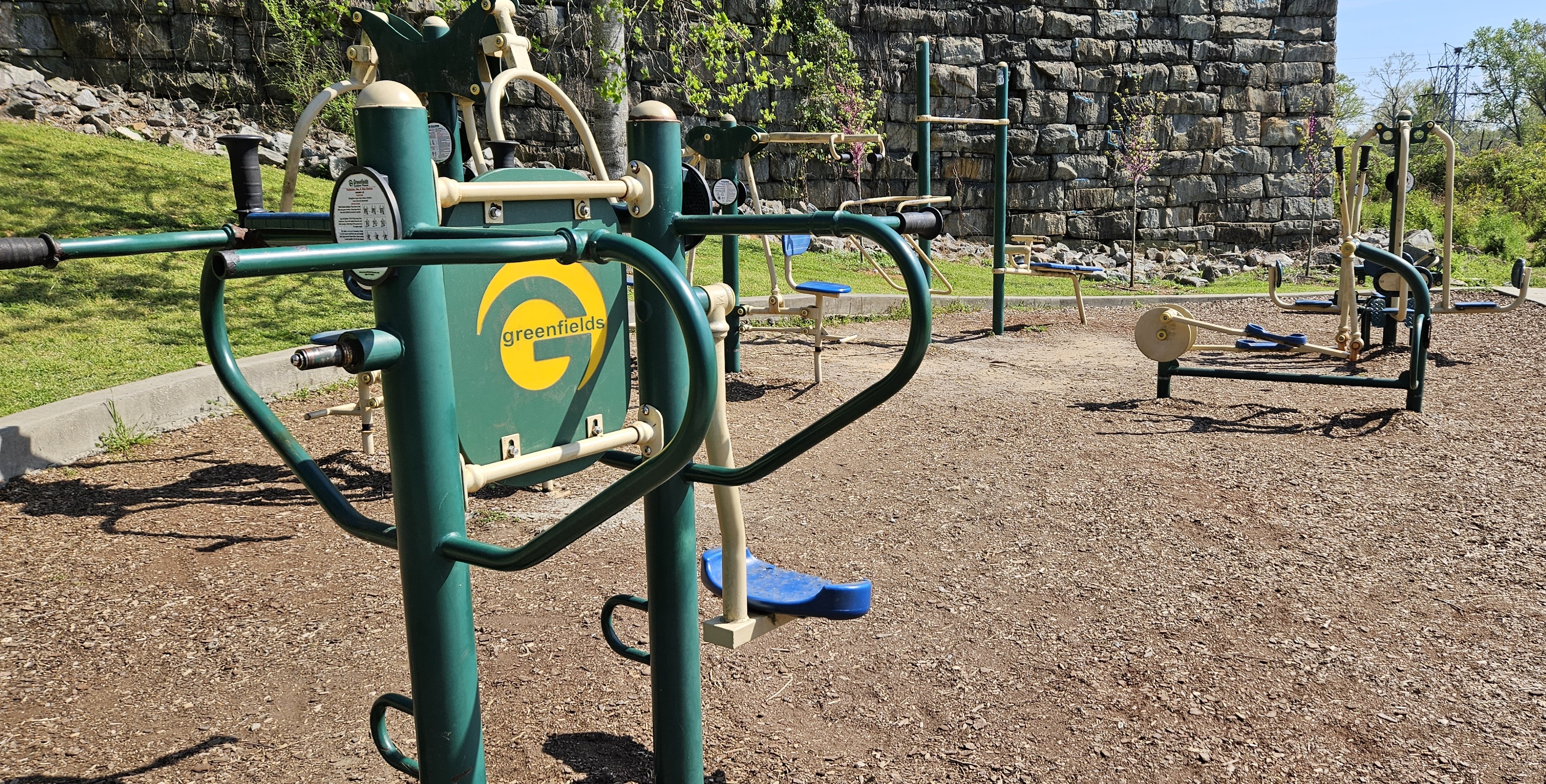
At the bottom of the trail is a playground for children who have not worked off enough steam on the walk down. No, wait; it’s not for children, it’s a workout center for adults who have not worked off enough steam after jogging the four-mile river trail. Whichever – it’s a beautiful location.

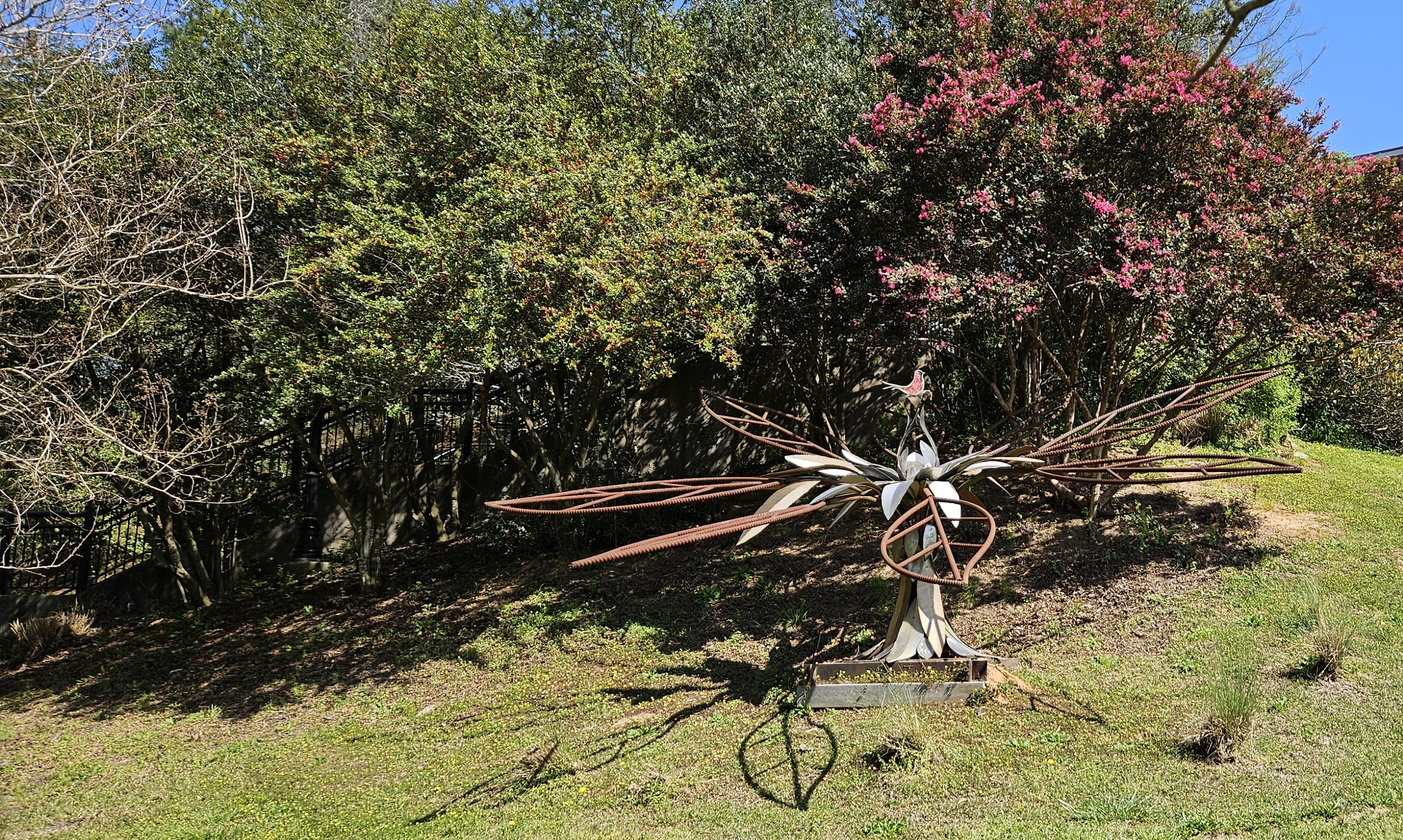
As we turned to go back up the slope to the parking lot (not feeling up to a four-mile jog on this particular day) we spotted this whimsical artwork just up from the workout center/playground. It’s a testament to a light-hearted spirit that we felt throughout our visit to Columbia.

Freeway Free in California: Getaway to Bodega Bay

Past Petaluma and on through rolling hills and farmland, we roll through a few scattered small villages (Two Rocks, Valley Ford, Bodega) and then up a narrow two lane version of highway 1 to Bodega Bay. On the left the road bristles with boat masts, fishing shops, a fish market, and small restaurants all boasting “the best Clam Chowder in Bodega Bay”. On the right, small bungalows perch on the hillside, with pink naked ladies (more politely known as amaryllis lilies) thrusting up out of the bare ground, and brilliant geraniums overflowing from containers. A hairpin turn past The Birds restaurant (bodega bay was a filming site for Hitchcock’s classic) and the Candy and Kites store, a sharp right on Bodega Road, and we are at the Bodega Harbor Inn, our refuge for the next few days.

The Bodega Harbor Inn exceeds my expectations. For about $270 a night we have an attached cottage, including a spacious living room with a 180 degree view of the harbor, a tiny kitchenette with a mini fridge and freezer (real ice cubes!), a microwave, a coffee maker, an electric tea kettle, and plenty of mugs and plastic utensils. The two bedrooms offer a queen or king size bed. The smaller bed shares the space with an ample wardrobe and has the harbor view again, the larger one has no closet but is completely sheltered from road noise and street light. Outside, a pair of Adirondack chairs invites laid-back appreciation of the scenery and the passing parade of cars and families on the way to the Candy and Kites store.

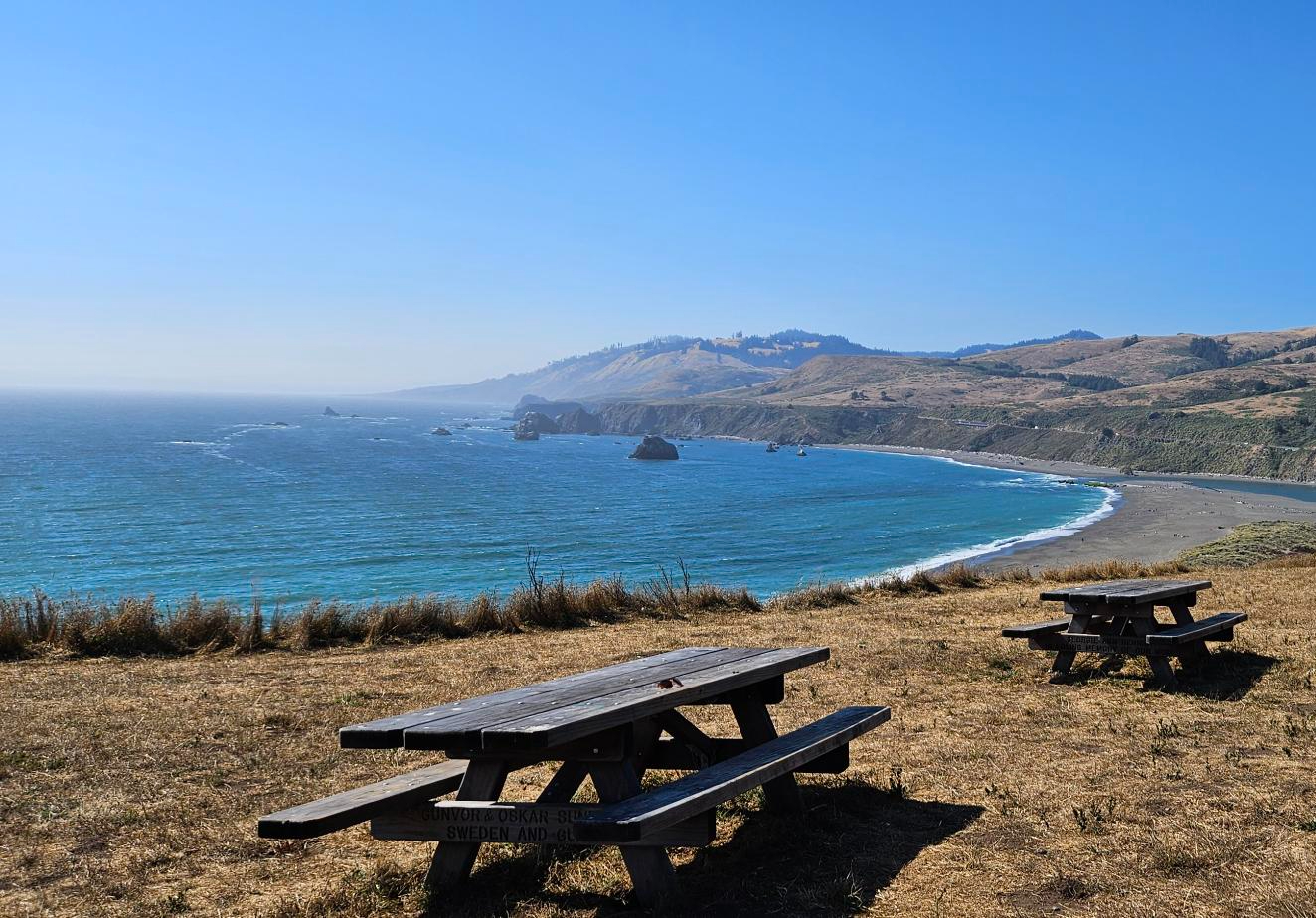
The afternoon is warm and sunny, and we spend it driving north along the Sonoma Coast Beaches: Salmon Creek, Shell, Carnet, Schoolhouse, and a half-dozen others all tempting a turnout. We have our sights on Goat Rock at the end of the string of beaches. There we find a wonderful view of sea and surf up and down the coast, with Arch Rock perfectly positioned for photos to the south, Goat Rock looming due west, and a sandy beach with easy access to the north. We take the photos, descend to the beach, get our feet sandy and our toes wet, and head south again. Southward we are on the scenic side of the road, and we enjoy the panorama of rocky coast and soaring spray all the way back to our refuge.

Hidden Treasure: Palo Alto’s Foster Museum

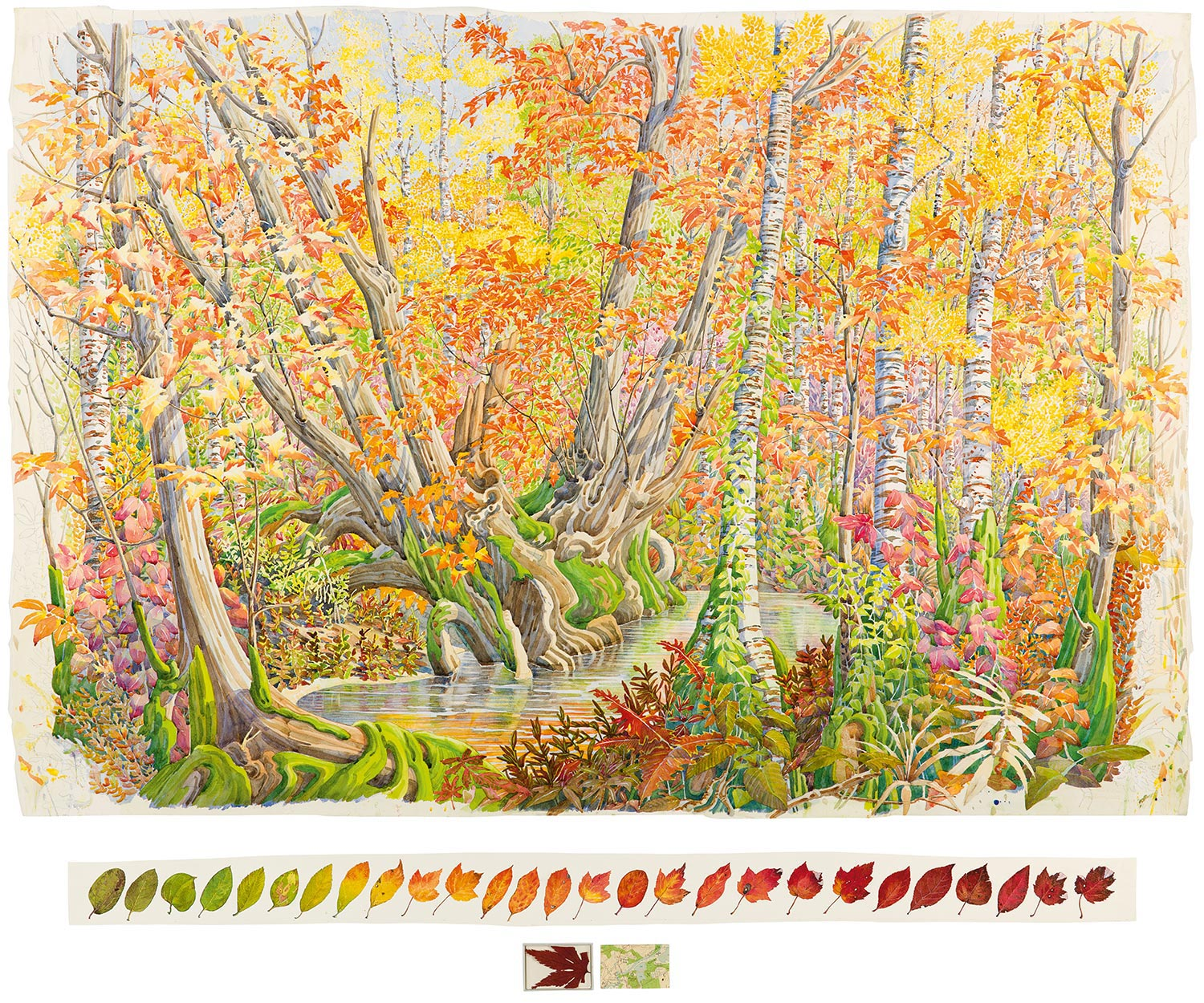
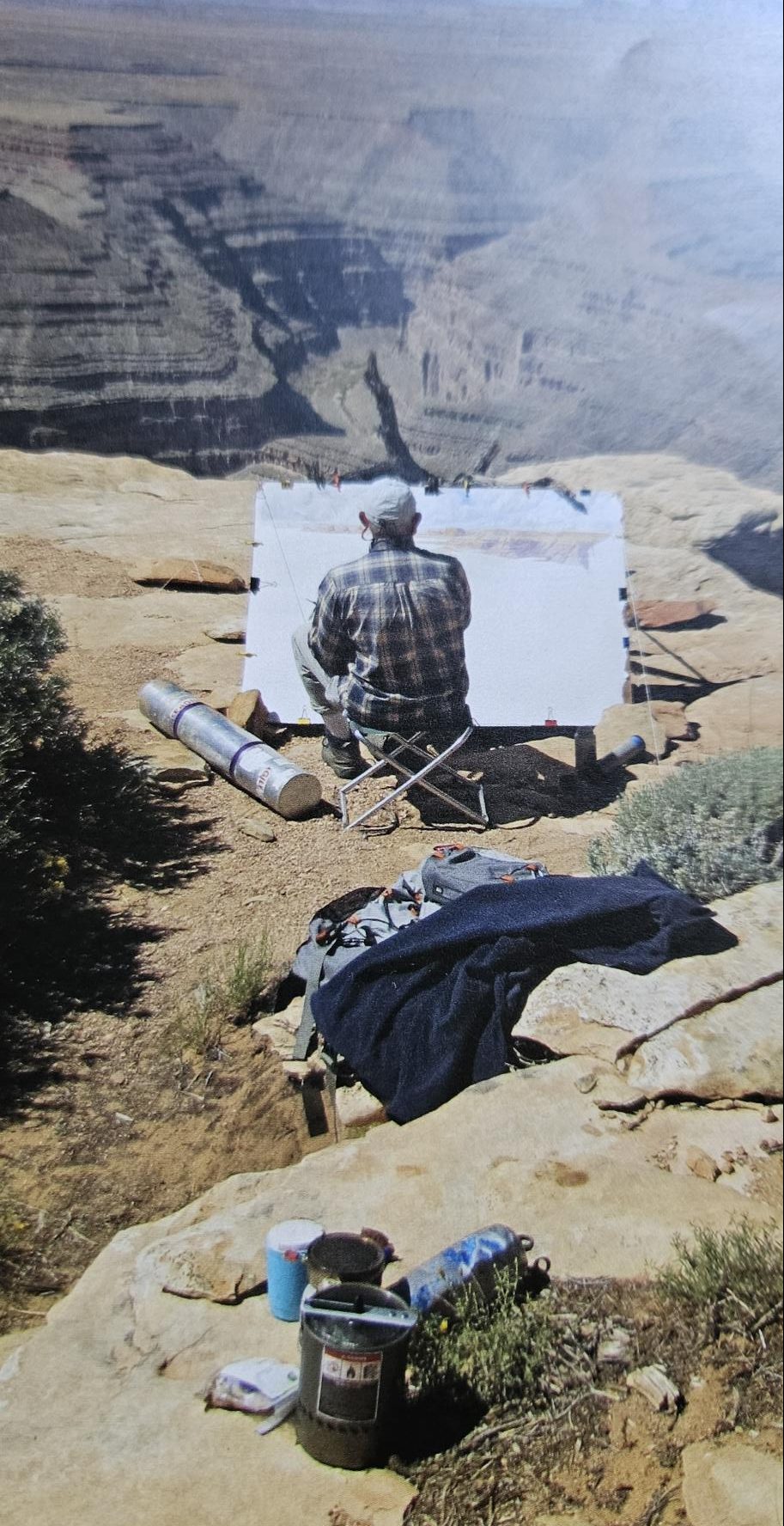
Tucked away in an industrial corner of Palo Alto, around the corner from an electronics recycling center and across the street from a geochemical testing laboratory, is the Foster Museum, a tiny jewel dedicated to showing the work of watercolorist Tony Foster.

The museum is normally open by appointment only, but I happened to visit with a friend on a “Welcome to Walk In” day. Inside this ivy-covered block is a wonderland of watercolor murals, covering wall after wall with scenes of grandeur: the Grand Canyon, the Rockies, the volcanoes of Iceland, the rain forests of Borneo, the Himalayas, the High Sierras, the coral reefs of the Caymans. Amazingly, the paintings were done plein air rather than from photographs.

The paintings are specially framed with inclusion of leaves, pebbles, and other artifacts from the scene, and many of the paintings include handwritten notes by the artist in the margins of the painting. These artifacts and notes give an authenticity to the art which is terrifically engaging.

Foster writes of his struggles holding onto his palette and easel against howling winds in the Rockies, keeping his materials intact in desert dust storms and tropic rain, and even drawing with wax crayons underwater while wearing scuba gear near a coral reef.

The net effect is absorbing – I spent almost two hours perusing the amazing artistry and detail of Foster’s work, and only stopped because the museum was closing. If you are a fan of water color painting, or of outdoor adventure, this museum will satisfy in many ways.

Freeway Free in Texas – Eclipse Day

For some people, seeing a total solar eclipse is a bucket list item. For me, it was a lucky accident: I always visit my brother D in Texas in late March or early April, and he happens to live in Georgetown, right in the path of the totality of April 8th. I asked him way back last August if I could stay an extra day for the eclipse and he agreed; then my son and his family asked the same favor a few weeks later, so we end up with a mini-reunion.

D belongs to a golf club, and the club makes an occasion of Eclipse Day, with access offered to the driving range for an unobstructed view. Since the celestial event is scheduled for about 1:30 PM Texas time, the club also sets up an outdoor grill serving hamburgers and hot dogs, with soft drinks on tap and Milky Way bars for dessert. (Cute!)

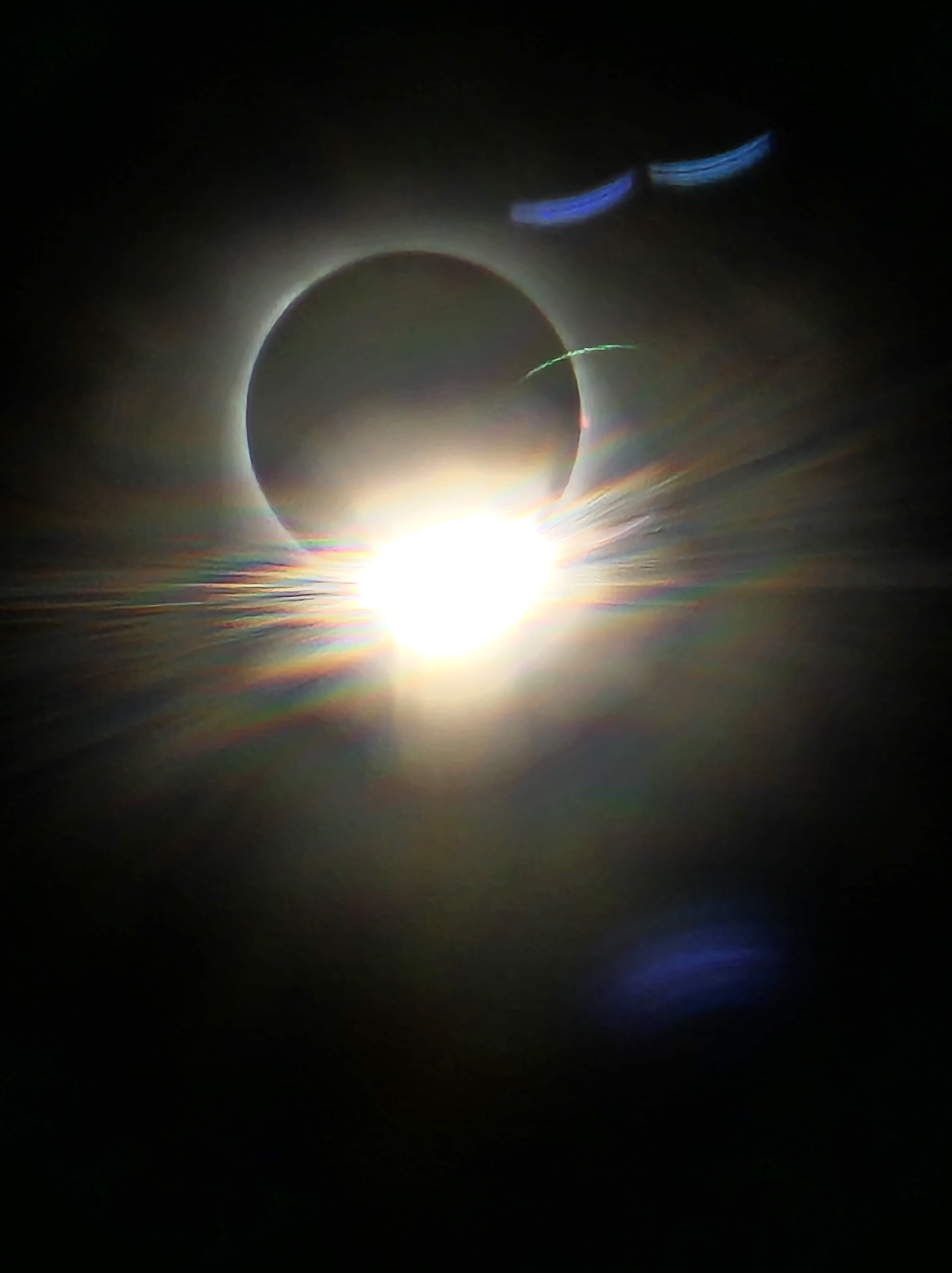
The eclipse – peekaboo clouds, and then just before totality, they part perfectly to frame the diamond ring, then almost evaporate completely as the aurora flares out and a few red coals glow on the rim of the moon – solar flares, I am told later.  The audience spontaneously applauds – good show, God!  Amazing that if the moon were just a bit smaller, or the sun just a bit closer, the effect would not occur. Is this Creation at work for us or just lucky coincidence?   

Freeway Free in Texas – Caddo Lake

Caddo Lake State Park is another gem made possible by the labors of the Civilian Conservation Corp back in the 1920’s. The entrance to the park is the first sign of their labors – two piled cairns which look like they have already outlasted many visitors, and will outlast many more. Some of the cabins and the eating hall built by the CCC enrollees are still in use, plus a nature-viewing pavilion on the Forest Trail which we set our sights on visiting.

The overnight temperature had plunged from 70 degrees on Monday to 45 degrees on Tuesday (spring weather in Texas can be chancy), so it took us a while to thaw out over multiple cups of hot tea before heading out on our Forest Trail adventure at about 11AM.

  It was only a 1.5 mile loop trail, but we made lots of stops for catching breath, reading trail signs, trying out benches, and using W’s iPhone app to determine what trees and flowers we were looking at, it was near 2PM when we finished. [2 on the map below shows the location of the pavilion – and the elevation change!]

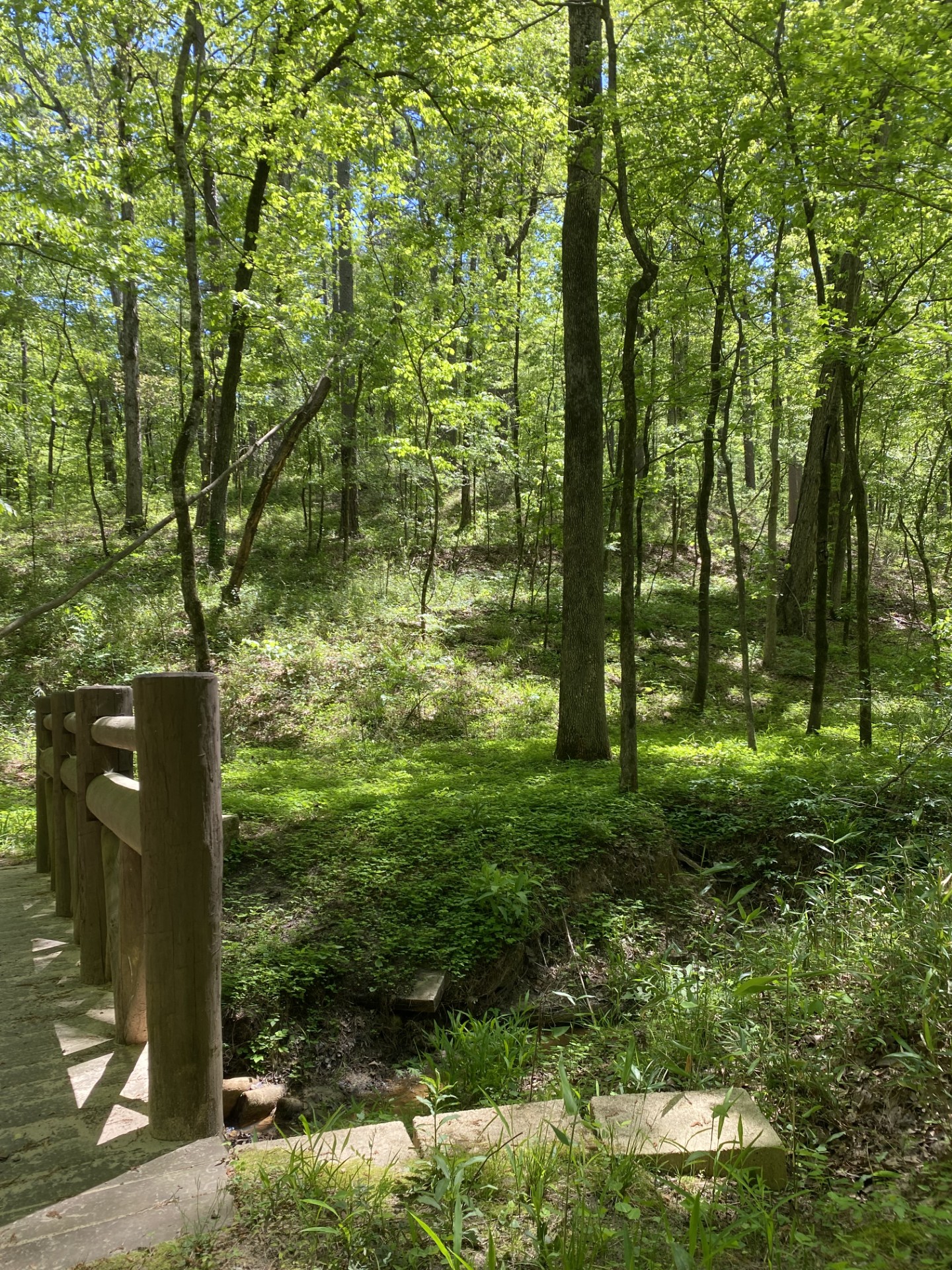
Climbing up to the Pavilion through the deciduous forest was a marvel to my West-Coast eyes. At the lower elevation were tree varieties I had read about, like hickory and elm, that don’t seem to occur west of the Rockies. Along the ridge just above the pavilion were long-leaf pines. I still have a little basket I made from pine needles in fourth grade when we were studying the tribes which used to inhabit this area, and for which Caddo Lake is named.

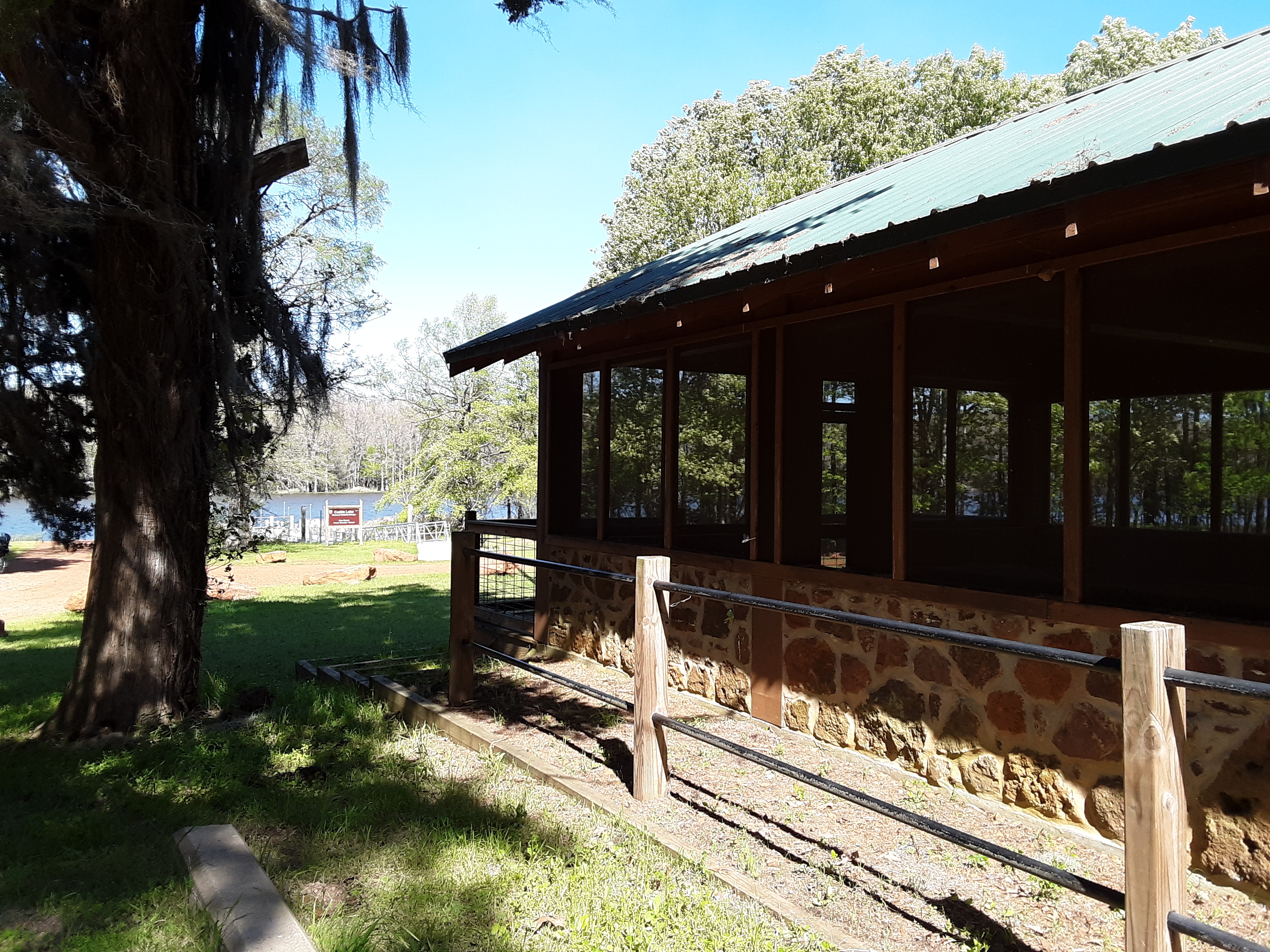
The pavilion itself did not disappoint, perched on an outcrop with the sun breaking through the trees to form patterns on the flat stones paving the terrace, looking out over an ocean of greenery waving and rustling in the breeze. I thought about the CCC enrollees who put this building together. Some among them had the souls of artists, and the skills of craftsmen, to leave us such a legacy.

Freeway Free in Texas: The Caddo Lake National Wildlife Refuge

We had packed a picnic in advance of our canoeing adventure, and headed for the Park Store/Museum/HQ, where we inquired for the best place to take a picnic and look at the big Caddo Lake (the State Park only includes Saw Mill Pond, a quiet side area suitable for calm canoeing and fishing but not for broad vistas)  The rangerette directed us to the Caddo Lake National Wildlife Refuge and Starr Ranch, a peninsula only 15 minutes way, as a place with a lake view and a picnic table.

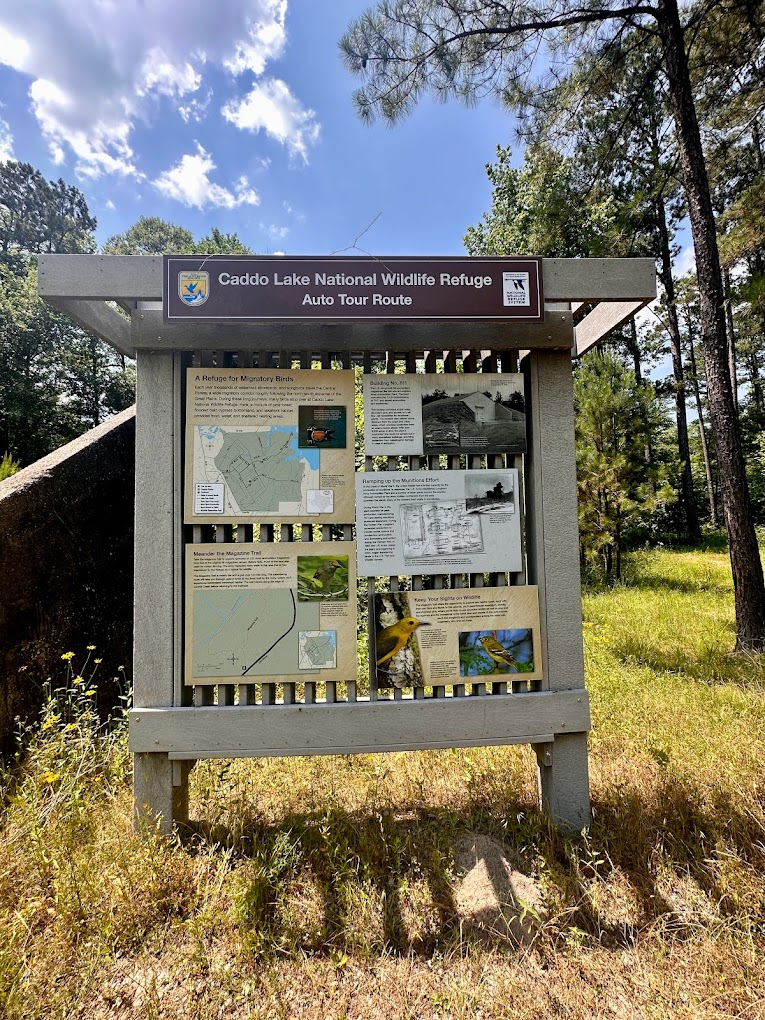
The CLNWR is located on land which formerly housed the Livingston Ammunition plant, which was subsequently designated an EPA superfund site, and which is probably responsible for the bass and trout caught in Caddo Lake harboring unsafe levels of mercury and other toxic chemicals.  At this time, however, the main toxicity seems to have been cleared, the former Guardhouse is now a nature center for RAMSAR Wetlands, and the expanse of flat roads, by-roads, dirt roads,  and grassy lanes invites the birder, biker, and hiker. 

Starr Ranch turned out to be a peninsula with a wildlife viewing dock (looking brand new), one metal picnic table in full sun, a chemical toilet (looking pristine), and a pavilion (beamed ceiling, built-in pews on the side, picnic tables) looking quite new also except for a torn screen on the door, which hung open in the wind in a welcoming way.

No fees, no permits, no people except a couple of Harley riders who were consulting each other and their phones seriously but gave me a big smile – could have been drug dealers rendez-vous-ing but probably not), so we had our mackerel fillets, Boursin cheese, Wasa crackers and red Anjou pear looking out on the wind-white-capped lake.  I almost felt guilty putting our mackerel/olive oil/pear core trash in that pristine trash bin in the privy.

After our lunch we stopped at the Visitor’s Center, housed in a couple of prefabs with an adjacent barbecue pavilion. It was completely deserted next to a parking lot designed for a host of tour buses – or maybe it was the former parade ground.  We signed the guest book, browsed around, and saw not a soul either of staff or visitor.  We could have made off with the stuffed bobcat and possum, but a sign warned that the site was “under surveillance”, and what would I do with a stuffed bobcat anyway?

Freeway Free in Texas: Canoeing on Caddo

I wake up to the same utter stillness that lulled me to sleep. I walk through lovely wet green woods under maybe-clearing skies to the loo. 

Breakfast at 9ish of yogurt, fruit, nuts, and tea,then down to the Park HQ to confirm our arrival, get a parking sticker, pick up post cards, and rent a canoe for the PM.

A note of reality: Caddo Lake State Park is not, strictly speaking, on Caddo Lake. The boat ramp and canoe launch area actually border a small side reach of the lake, Saw Mill Pond. The good news: this sequestered area has no speed boats, no water skiers, and very few really deep areas – a perfect place for a couple of senior ladies, or for families with small swimmers, to try their paddling skills. for a reasonable $7 for a half day’s use, the friendly ranger at the Visitors’ Center gave us directions to the canoe launch area, keys which opened the storage shed full of life jackets and oars as well as our designated canoe. A few false starts (we forgot our hats, went to the wrong boat ramp) and then we found our canoe, donned life jackets, grabbed oars, and launched.

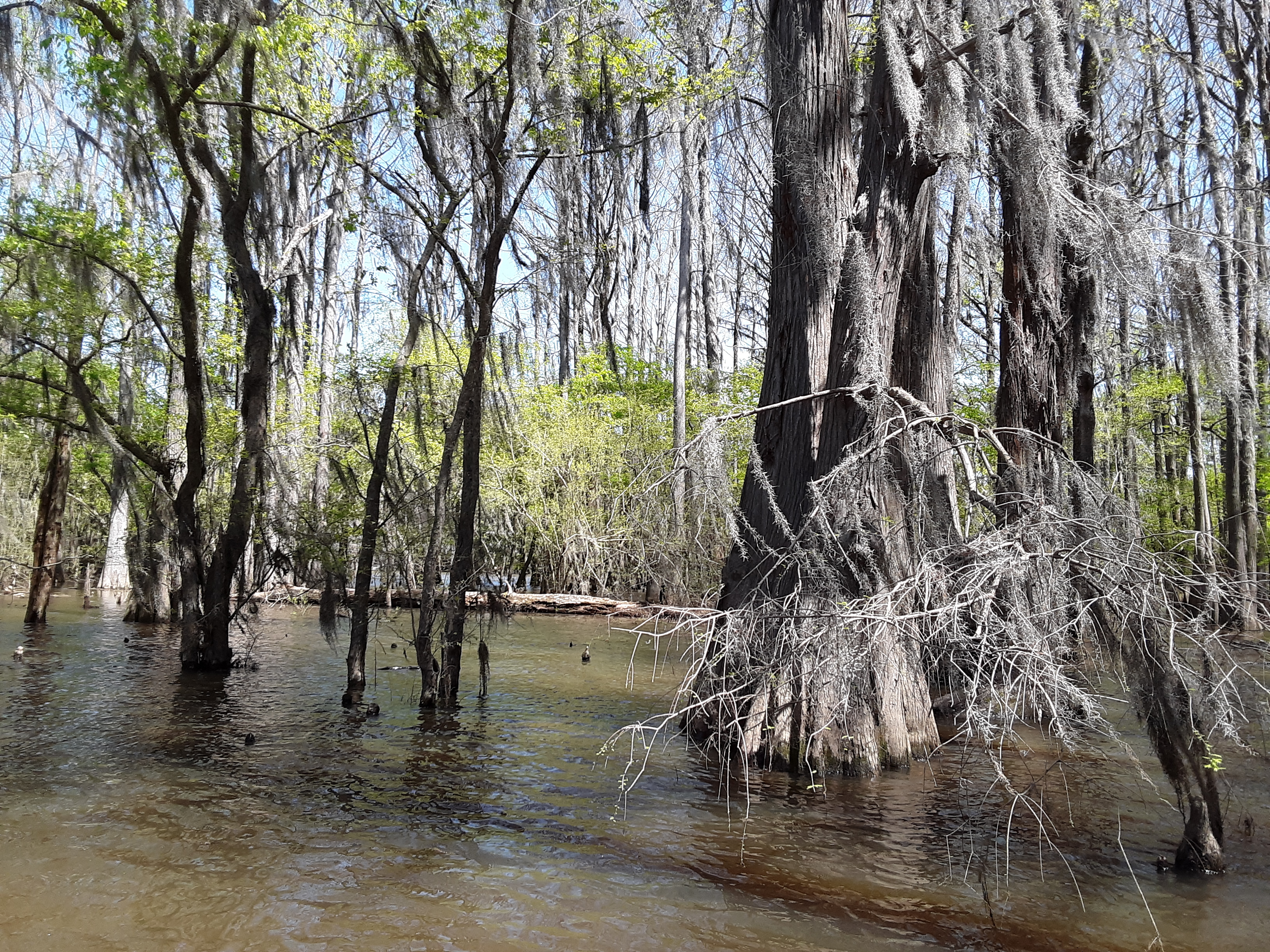
Well, we nearly launched, but ran aground on a cypress knee immediately.  Happily, a couple of guys came along, laughed that they had done the same the day before, and pushed us off.   I was feeling very unsteady balancing in the canoe in the far front end, and we had to fend ourselves off a number of cypress trees as the wind kept pushing us around.  We ran aground again on a buried log in a backwater and were on the point of thinking one of us would have to get out and push, but a hefty shove against a tree got us afloat again.  After that we were quite careful about staying in more open water.  We were almost alone in the Pond – maybe one family with a couple of children maneuvering at the far end. We admired the shimmering water, and its reflections in the hollows of the trees. We listened to the stillness. We stayed out about an hour, long enough for our backs to feel the effort of paddling, and then ran ourselves into the canoe harbor perfectly.

Next, return the key, find out where to buy an extra propane canister, visit Johnston’s Caddo Grocery and Bait Shop 5 miles down the road, and then it is time for naps, reading, catching up with the expense sheet, and maybe writing a few post cards if we feel ambitious. Quiet is a wonderful sedative.

—-

I didn’t feel ambitious so contented myself with puttering around, until we decided that as we had skipped lunch making dinner early would be appropriate.  So I got out the materials for basic glop, crossing my fingers that it could be cooked as well in a saucepan as in a skillet, and with me chopping onions and W browning the meat we had it together and cooking nicely on the Coleman’s stove in a half hour or so.   I puttered around interfering with Wnifred’s building of a charcoal-based fire, until we began to smell a scorching at about the time the casserole  should have been done.  Hmmm.  Although I had added some extra liquid to rinse out the tomato can, I did not allow enough extra to account for 1 the noodles being rotini instead of flat egg noodles and thus required Ng more time and 2 the Coleman stove, even at low heat, with only a thin aluminum saucepan to deal with, cooked HOT.  so we had a layer of scorched substance on the bottom of the pan, and rather chewy rotini on the top.  Still, hunger is the best pickle, and we managed to eat more than half, leaving enough for a second meal if we have appetizers before hand.
After dinner I kept fooling with the fire, as the termperature was dropping and the wind picking up.  Although plenty of smoke was generated by the wood we had taken from the firewood rack at the boat dock, the only real flame camer from kindling sticks and pine cones I scrounged from the environment.  We brewed some herbal tea and sat and chatted and i kept  getting colder, adding a thin but oozy yoga jacket, my warm hat , my Biffy , my longjohn sottoms and my sweatshirt to my costume.  By the time we gave up on the fire (a couple of logs had smoldered through, but no real heat generated) and climbed into our cots, i had decided to keep my sweatshirt on, with hood.  I should have also kept the long John’s, as my summer pj’s tended to ride up and were no contest for the dropping thermometer (which hit 43 degrees per the Weather app the next day).

[I have had arthritis in my right hip enough to keep me awake both nights – both nights I got up and took an ibuprofen which cut in enough to help me sleep eventually. tomorrow I will be sure to take a famotidine in the AM hoping my “miracle cure” works again.  It took a week to wear off from the Omoxxxxxx – or was it the Kathy Smith Aerobic workout?  Or is it the hard cot? Or the cold?)

Flying Down the Freeway in Texas

From Love Field in Dallas to Caddo Lake on the Louisiana Border – W and I first met in East Texas, so the afternoon is a trip through the mists of nostalgia as we flash past familiar landmarks on the ubiquitous interstates.

From DFW we pass familiar streets on the exit signs: Mockingbird Lane, Inwood Ave, Turtle Creek, Preston Road and University Park. The frontage road skirts neighborhoods full of the lovely brick and white-trimmed ranch-style houses of East Texas prosperity, set well back on impossibly wide and deep and green lawns. 

After several mis-directions we make it onto the freeway, past fields of bluebonnets, paintbrush, godetia, and crimson clover. There are more familiar names on the exit signs: Athens, Terrell, Gladewater, Tyler, Kilgore, and finally Marshall, our turnoff.  We stop at a Kroger’s, where W reveals that she had not glanced at her checklist before loading the car.  Just in case, we pick up things we turn out not to need (tea, salt and pepper, bowls) and things we will be glad to have (fruit, crackers, tinned fish, yogurt, fixings for a one-dish skillet dinner, and most importantly, a cooler).

Fifteen miles later we are at the CCC stone-piled entrance to Caddo Lake State Park.  We arrive at 4:45 at the check-in stand to discover that the office closes at 4:30. W’s computer pulls up Shelter 16 on the reservation.

It is dusk by the time we unpack, W is exhausted and wants to sit, and I am hungry. We have our snack lunch for dinner and save the skillet meal for later – a skillet is another thing W has forgotten.  An application of Off! keeps the bugs at bay, W has a mini-lantern for the table, and we make our way through a tin of sardines, a half-box of crackers, and half the cherry tomatoes – Excellent, and easy!

We had planned a post- prandial fire sit, but the fire is short-lived, as we had not stopped for firewood on the way in. Still there is magic, as the stillness thickens, and fireflies begin to flicker in the trees. The humidity is so high that the evening dew is condensing in puddles INSIDE the shelter, but W has brought a tarp for the floor, and cots to raise us above it. A sheet is all I need for a cover as I snuggle on top of my sleeping bag, listening to the stillness until I fall asleep.

Freeway Free on the Snake River: Locked In, Locked Out

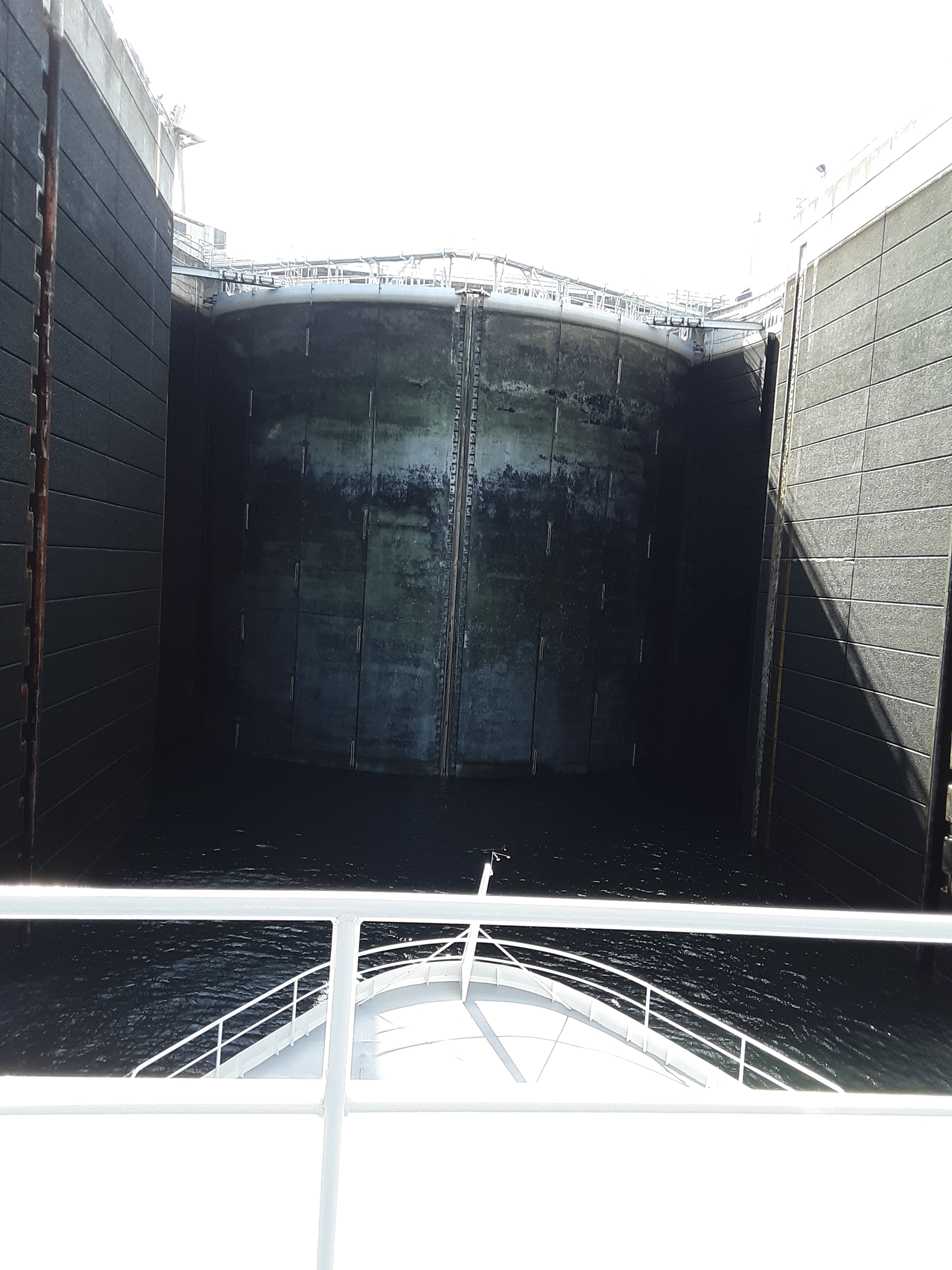
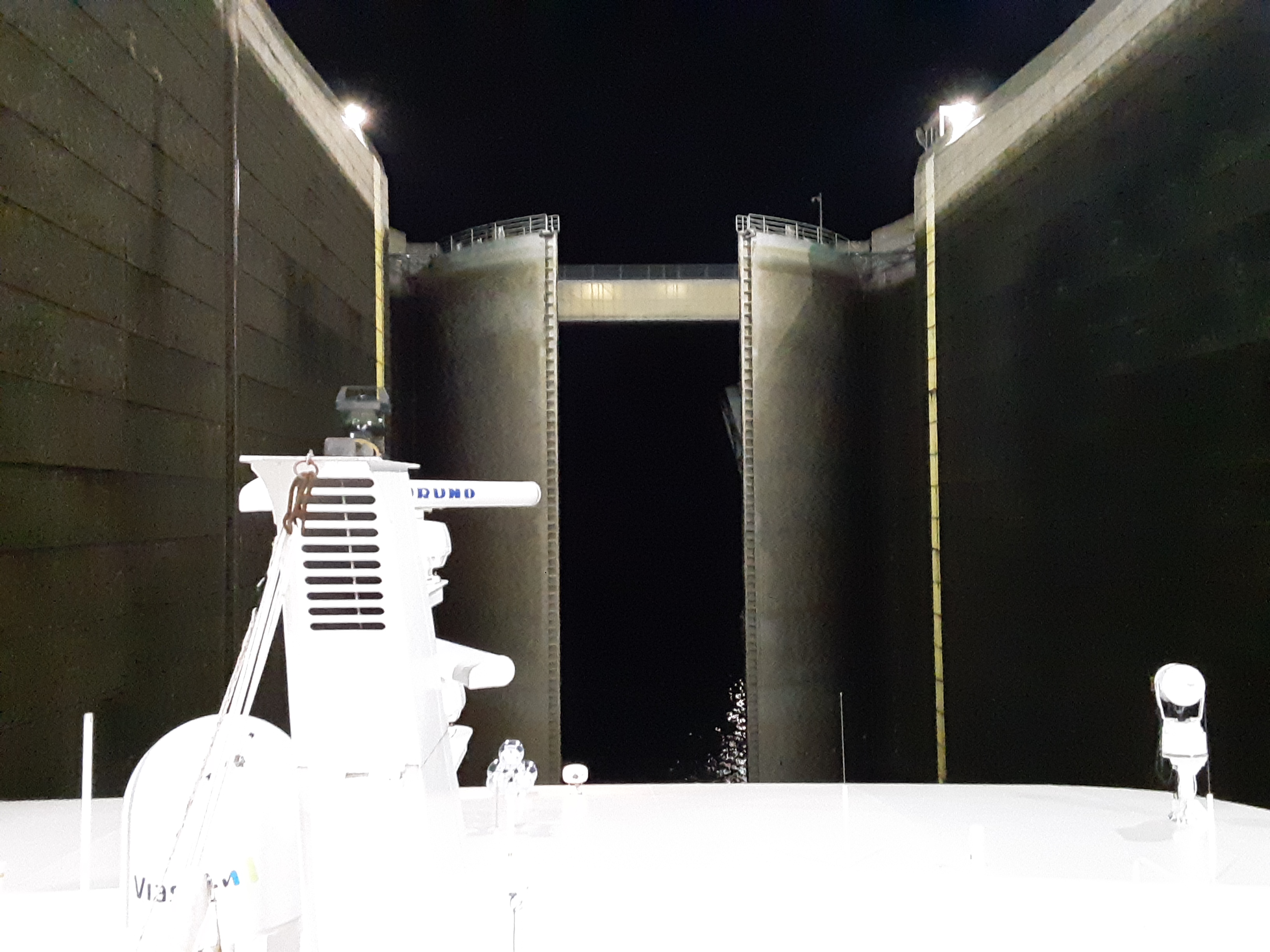
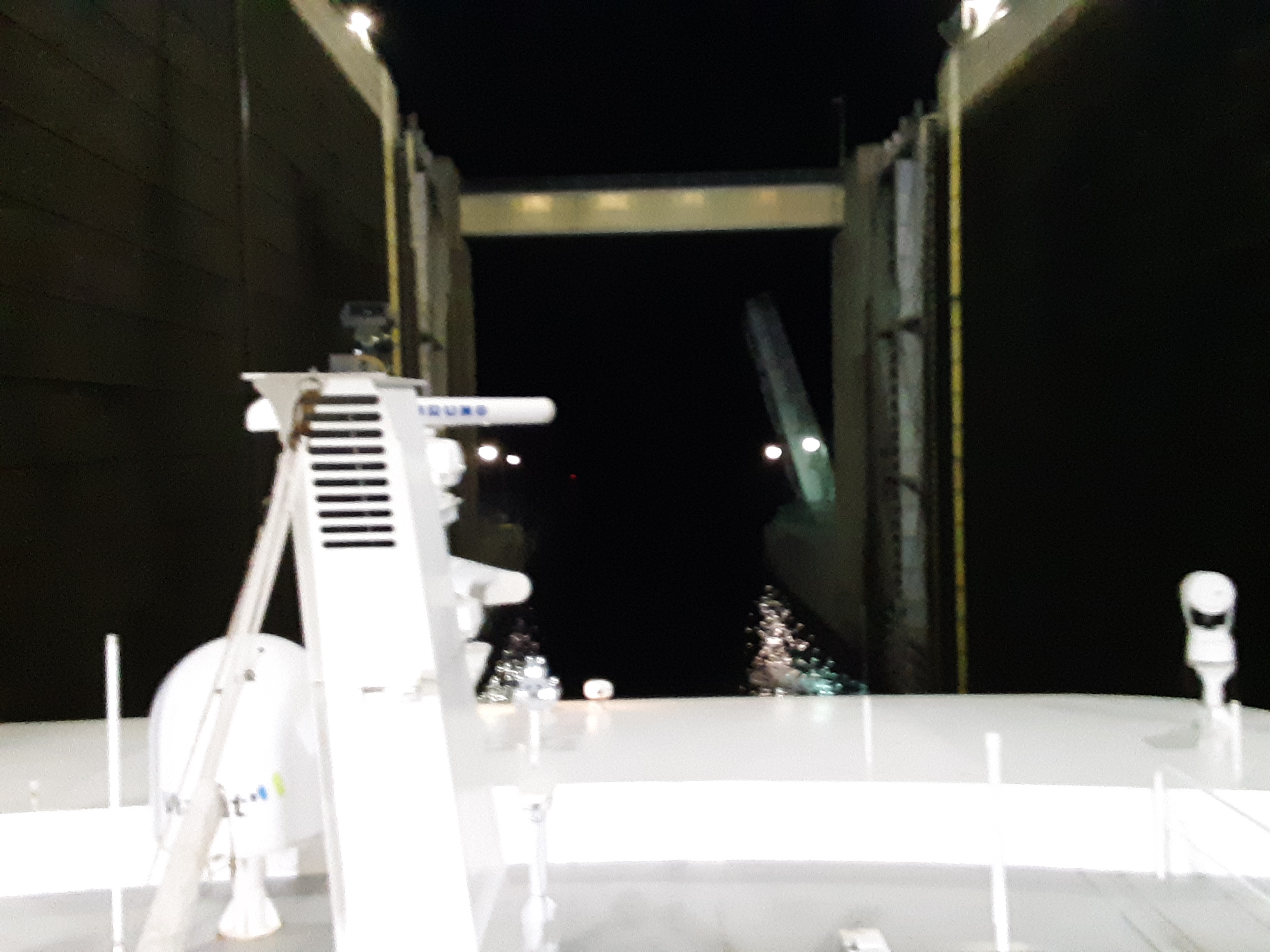
Our boat goes through our first lock – 80 feet or more down from one level of the Snake to the next. We move into the lock; a bridge is before us, an open space behind.  Then a wall seems to rise from beneath the river behind us as the water level in the lock is let out and we begin to descend.  The walls rise, only two feet from the boat on either side.  The bridge before us is now far above, with a large and getting ever higher curving wall ahead. We descend and descend.  The black wall behind us is holding back the river, though it appears there are leaks. The black wall ahead is now 80 feet high.  On the side are dripping black concrete blocks a yard high piled up and up.  Finally we stop descending.  We wait.  There is a loud shudder, and a crack appears in the wall ahead.  Sunlight, and color, a view of hills and sparkling water. The crack opens wider – the feeling is like the scene in “The Wizard of Oz” where Dorothy steps out of the sepia-toned world of Kansas into a technicolor Oz. The engines throb and we move forward into the light and space. 

We go through a second lock at night – it is still magical. There is only black and white, the white boat, the black night, the gleaming gate, the sparkling water.

Later we explored off the boat at the Bonneville Dam, whose Visitor Center is a self-congratulatory celebration of the transformation of the wild rolling Columbia river into “a damn fine machine” for generating hydropower, in the words of an industry lobbyist.*

We saw another aspect of the locks and dams at the fish hatchery, where tiny salmon fry are nurtured until they are large enough to release downstream from the dams and make their way to the sea, and at the fish ladder, where returning salmon are given a chance to circumvent the dam in a series of cascades. These makeshift replacements of natural features are an attempt to appease the fishermen and native peoples whose lives depend on the salmon run. In another section of the hatchery, a bit off the self-guided tour, the sight of frustrated salmon leaping in vain against a current backed by a three-foot fence made me sad. In the hatchery these fish are artificially milked for their semen or eggs before dying, so the salmon fry can be created. The salmon would die anyway after spawning, but as they frantically jumped over and over against the impassable barrier, theyseemed to know they are supposed to get further to their spawning grounds than a hatchery.

===

*Quoted from Blaine Harden’s A River Lost; the Life and Death of the Columbia

Post Navigation