Allyson Johnson

Pieces of my Mind

Archive for the category “Travel”

Freeway Free in Washington – A Ghost of Lost Hawaii

When our boat docked at the small town of Kalama (population just under 3,000) I had a strange sense of deja vu. That three-story tile-roofed hotel facing the beach, with verandas wrapping around all three stories – hadn’t I seen it before?

It turned out I had – years earlier, on a honeymoon trip to Lahaina, and then again on an anniversary return trip to the same place. Nestled on the beach side of the railroad track which separates the town of Kalama from the marina, beach, and boat dock is a replica of the old Pioneer Inn in Lahaina, built from the same blueprints. This recreation is especially poignant as the original Pioneer Inn had been demolished less than two months earlier by the wildfire which destroyed most of historic Lahaina in August 2023.

The Oregon version has an extra level, and the palm trees are replaced by a trio of historic totem poles, but the exterior and interior are meticulously crafted to evoke the historic Pioneer Inn. Inside, the bar has a tiki theme, the walls are pine-paneled , a bark canoe hangs from the ceiling and the furniture is vintage.

But the Mcmenamins empire includes more than a single nostalgic lodge. At this establishment, instead of mai tais, the customer is offered beer from the Mcmenamins’ brewery and hard cider from the Mcmenamins- orchards. The brewery is conveniently located right across from the gift shop, so you can taste and buy onsite within a few steps.

Mcmenamins also owns a number of entertainment venues across the states of Washington and Oregon, and the pine-paneled walls are decorated with posters of noted concerts.

There is a claim, enshrined in oil paintings though not in photos, that Elvis Presley himself stayed, not at the Lodge, but nearby in Kalama on his way to film a movie in Seattle, and it is quite true that Marlon Brando was a frequent visitor to his son Christian’s home in Kalama. The oil painting of the two icons fishing together, however, is purely imaginary, as their visits were two decades apart.

Freeway Free on the Snake River: Locked In, Locked Out

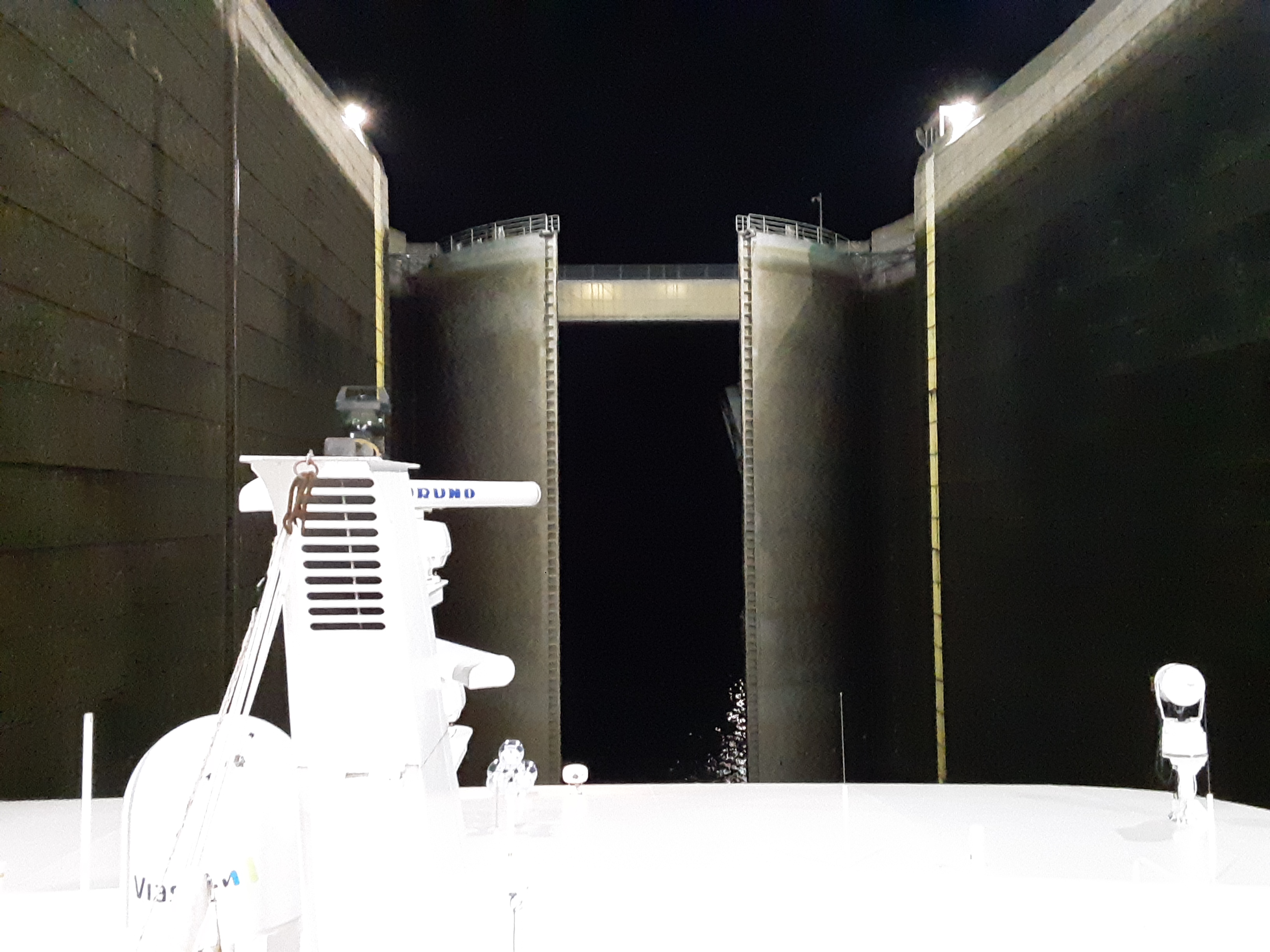
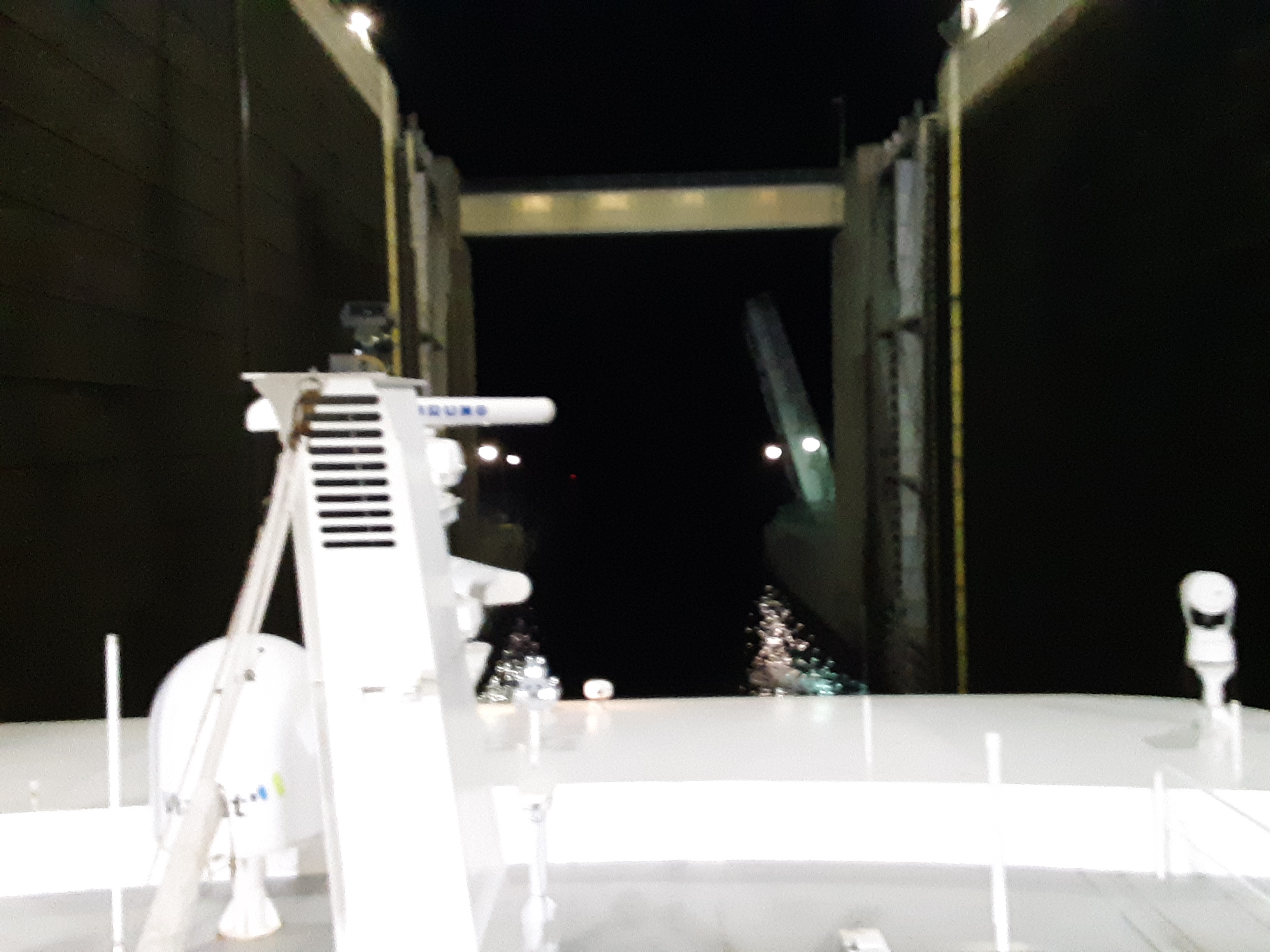
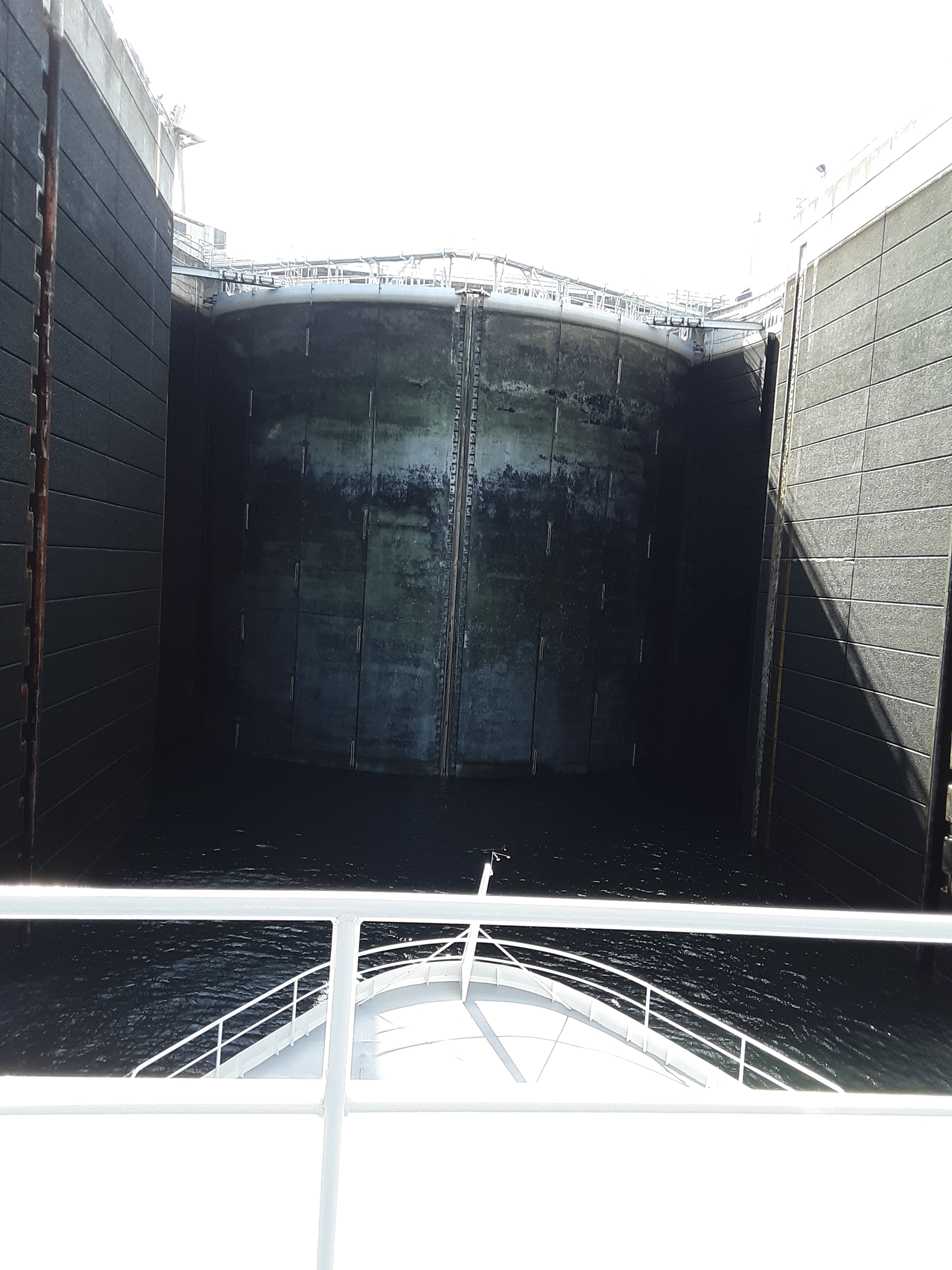
Our boat goes through our first lock – 80 feet or more down from one level of the Snake to the next. We move into the lock; a bridge is before us, an open space behind.  Then a wall seems to rise from beneath the river behind us as the water level in the lock is let out and we begin to descend.  The walls rise, only two feet from the boat on either side.  The bridge before us is now far above, with a large and getting ever higher curving wall ahead. We descend and descend.  The black wall behind us is holding back the river, though it appears there are leaks. The black wall ahead is now 80 feet high.  On the side are dripping black concrete blocks a yard high piled up and up.  Finally we stop descending.  We wait.  There is a loud shudder, and a crack appears in the wall ahead.  Sunlight, and color, a view of hills and sparkling water. The crack opens wider – the feeling is like the scene in “The Wizard of Oz” where Dorothy steps out of the sepia-toned world of Kansas into a technicolor Oz. The engines throb and we move forward into the light and space. 
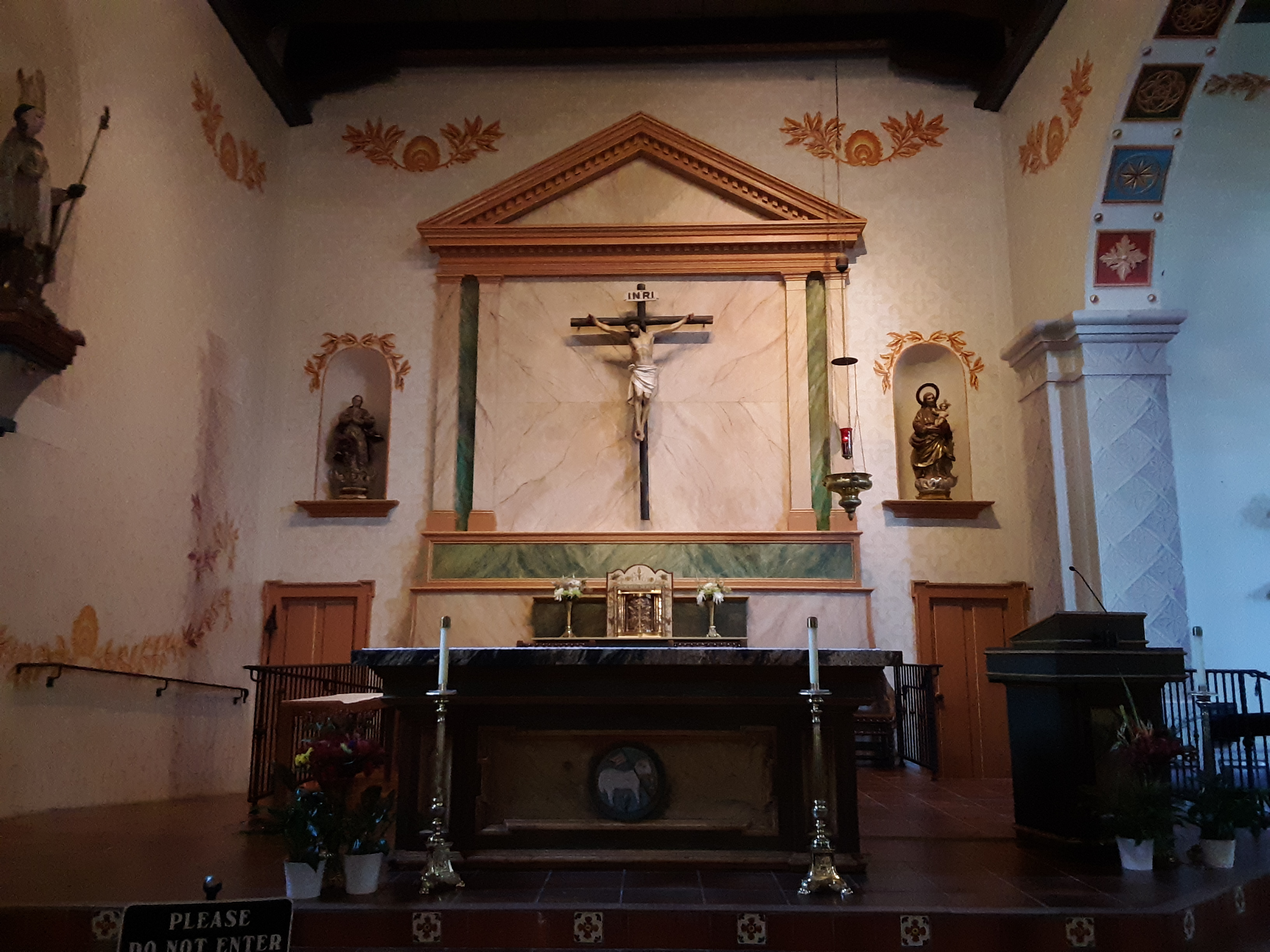
We go through a second lock at night – it is still magical. There is only black and white, the white boat, the black night, the gleaming gate, the sparkling water.

Later we explored off the boat at the Bonneville Dam, whose Visitor Center is a self-congratulatory celebration of the transformation of the wild rolling Columbia river into “a damn fine machine” for generating hydropower, in the words of an industry lobbyist.*

We saw another aspect of the locks and dams at the fish hatchery, where tiny salmon fry are nurtured until they are large enough to release downstream from the dams and make their way to the sea, and at the fish ladder, where returning salmon are given a chance to circumvent the dam in a series of cascades. These makeshift replacements of natural features are an attempt to appease the fishermen and native peoples whose lives depend on the salmon run. In another section of the hatchery, a bit off the self-guided tour, the sight of frustrated salmon leaping in vain against a current backed by a three-foot fence made me sad. In the hatchery these fish are artificially milked for their semen or eggs before dying, so the salmon fry can be created. The salmon would die anyway after spawning, but as they frantically jumped over and over against the impassable barrier, theyseemed to know they are supposed to get further to their spawning grounds than a hatchery.

===

*Quoted from Blaine Harden’s A River Lost; the Life and Death of the Columbia

Freeway Free in Washington: Eating Wild in Spokane

D and I were at the Hilton Garden Inn in Spokane, about to embark the next day on a cruise down the Snake and Columbia Rivers. The Garden Inn is a functional airport hotel, made charming by exceptionally pleasant, smiling staff. But dinner at the hotel looked like a bleak proposition; a bunch of folks were playing cards in the lounge, and the dining area was over-brightly lit and uninviting.

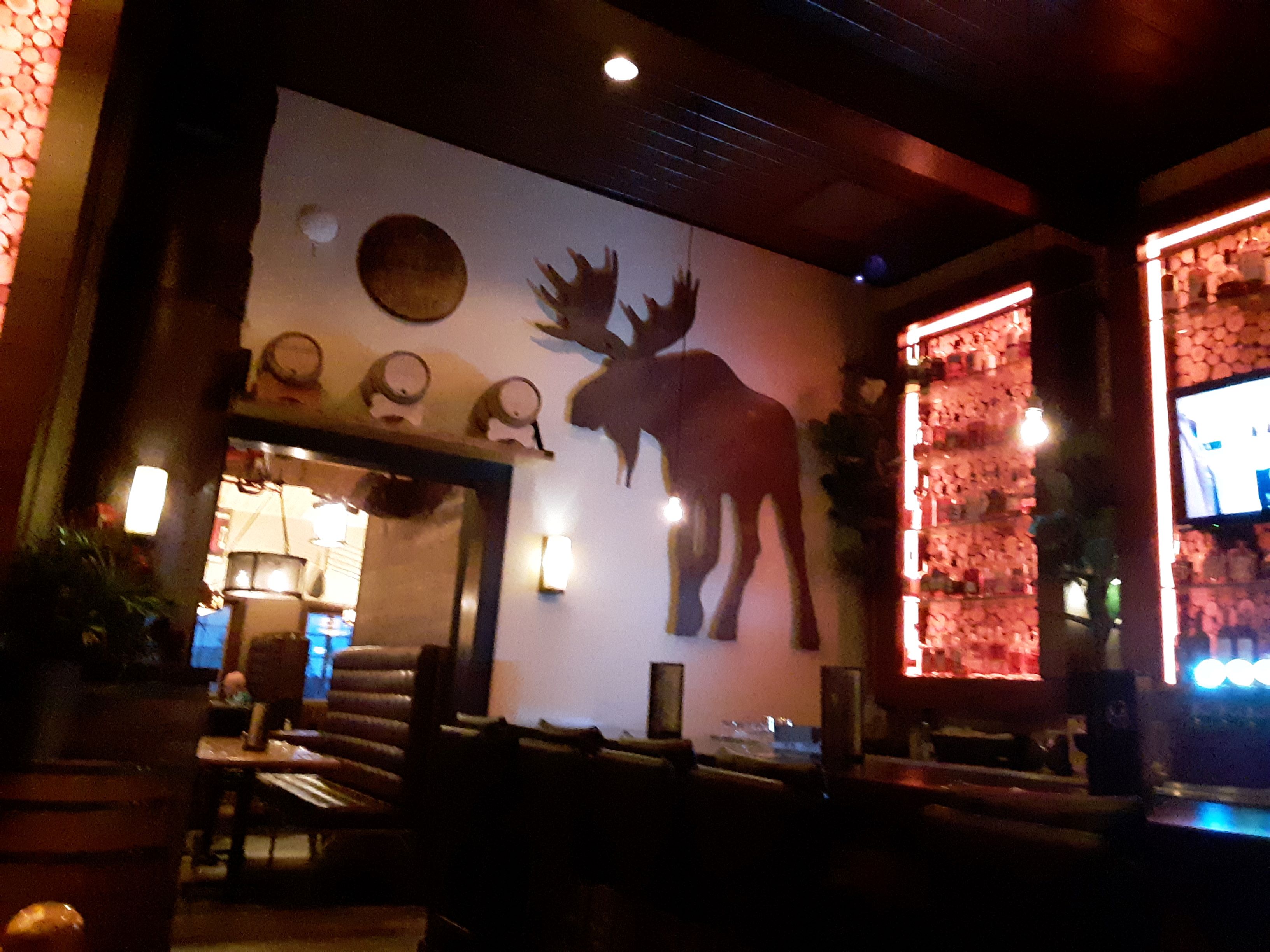
So we walked across the parking lot to the Rusty Moose, which, turned out to be very welcoming, despite being decorated with a lot of staring animal heads and other effigies. Though wild game burgers were the featured attractions, Destiny (our smiling server) served us a delicious dinner of seared halibut (D) and Idaho trout (me) with a yummy rice pilaf and baby asparagus on the side. We splurged on a bottle of the house Sauvignon Blanc from WA state, and a berry cobbler shared for desert (served with ice cream AND whipped cream on top – Washingtonians don’t stint!)

Maybe not a destination restaurant, but certainly a worthy haven en route to wherever!

Freeway Free in Washington: Surprising Stevenson

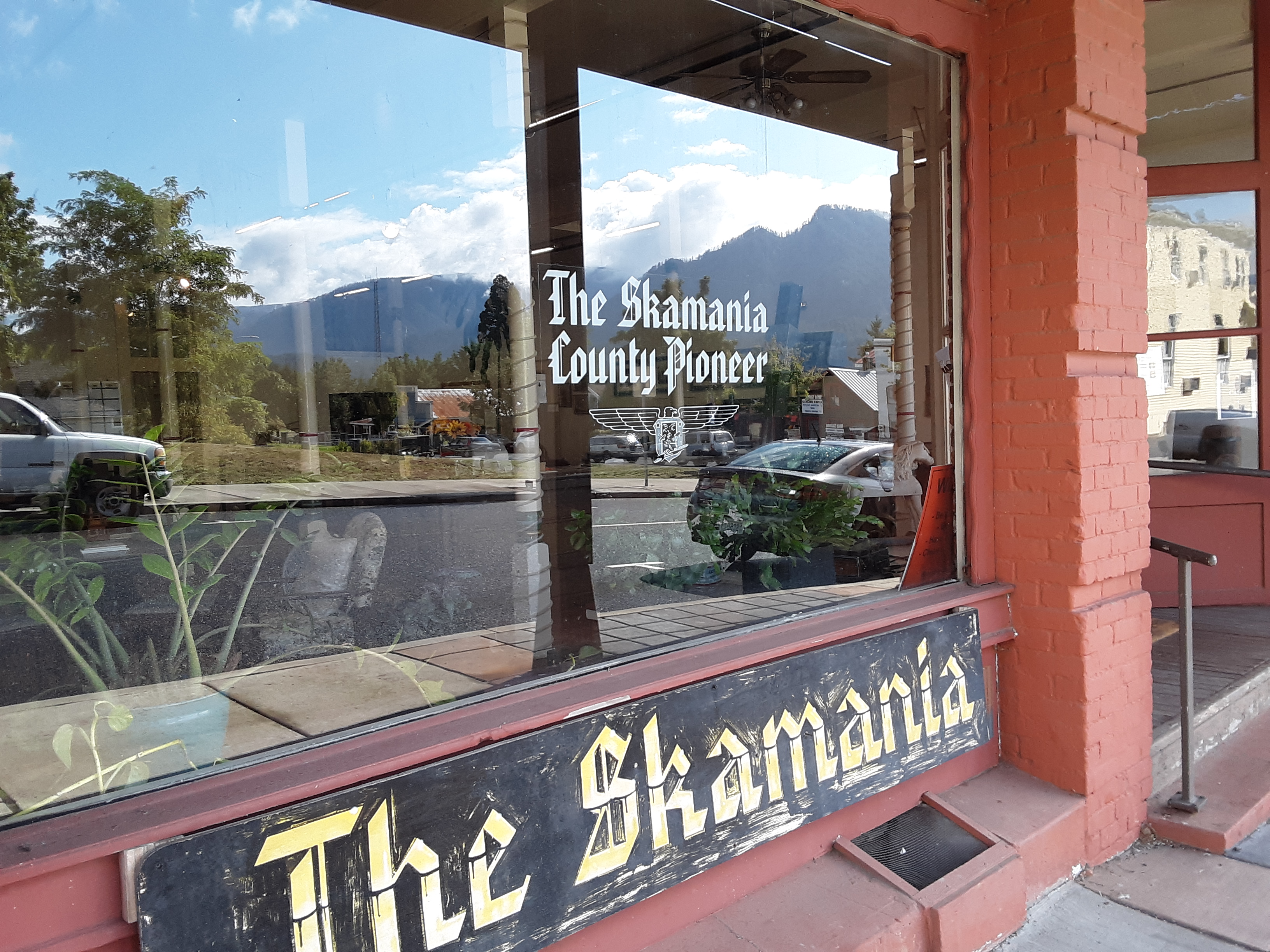
Stevenson Washington is a town of no more than 2000 people, with one main street that stretches from the Port of Skamania boat dock and park along the north bank of the Columbia River up three blocks to the brutally modern Skamania County Courthouse, with two cross streets, one of which is Washington State Route 14. But those three blocks are oddly charming, with shops that would be perfectly at home in an elegant Palo Alto shopping center. How do they survive?

Probably they survive because the boat dock is host several times a week during the summer months to American Cruise Line riverboats, which have picked Stevenson for a stopping point due to its convenient access to the Bonneville Dam, the Columbia Gorge Interpretive Center, and Multnomah Falls. In between excursions, the passengers are tempted to stroll off the boat, through the green and inviting park, and up the gentle hill to browse in North Bank Books, one of the prettiest and best curated bookstores I have ever seen, or examine goods in Out and About, a purveyor of beautifully tailored outdoor clothing, look for buried treasures at the Gorge Thrift Store, or taste a local craft beer at the Big River Grill, admire local art and crafts at Riverhouse III Gallery, or… but you should stop in Stevenson and see for yourself.

Freeway Free in Washington: The REACH Museum celebrates unspoiled nature and toxic science

With all the discussion about “Oppenheimer” and his role in the development of the atomic bomb, one would have thought there were be more discussion of the other two locations which were key to his success. One was Oak Ridge in Tennessee, where uranium was refined for the first bomb, the other was Hanford, Washington, where plutonium for the second bomb was manufactured.

Like Los Alamos, Hanford was built in the most remote location possible, shrouded in secrecy, and filled with scientists who believed their labors would end World War II. At one point the town of Hanford was the fourth largest city in the state, with the largest General Post Office in the world (since addresses would have been Top Secret.) And as at Los Alamos, the scientists involved in the project worked with little apparent thought of the long-range effects of their labors.

The REACH museum outside of Hanford overlooks the longest undammed free-flowing reach of the Columbia River – hence its name. The country surrounding the museum is a sage and scrub desert, but it teems with wildlife including elk, antelope, an occasional bear, and all sorts of minor rodents, insects, and birds. Ironically, the reason for this virgin territory lies buried underground in unmarked sites and in leaking canisters – the radioactive waste left over from the plutonium project. No-one wants to drink water that may have overlain these poorly-conceived and poorly protected waste dumps.

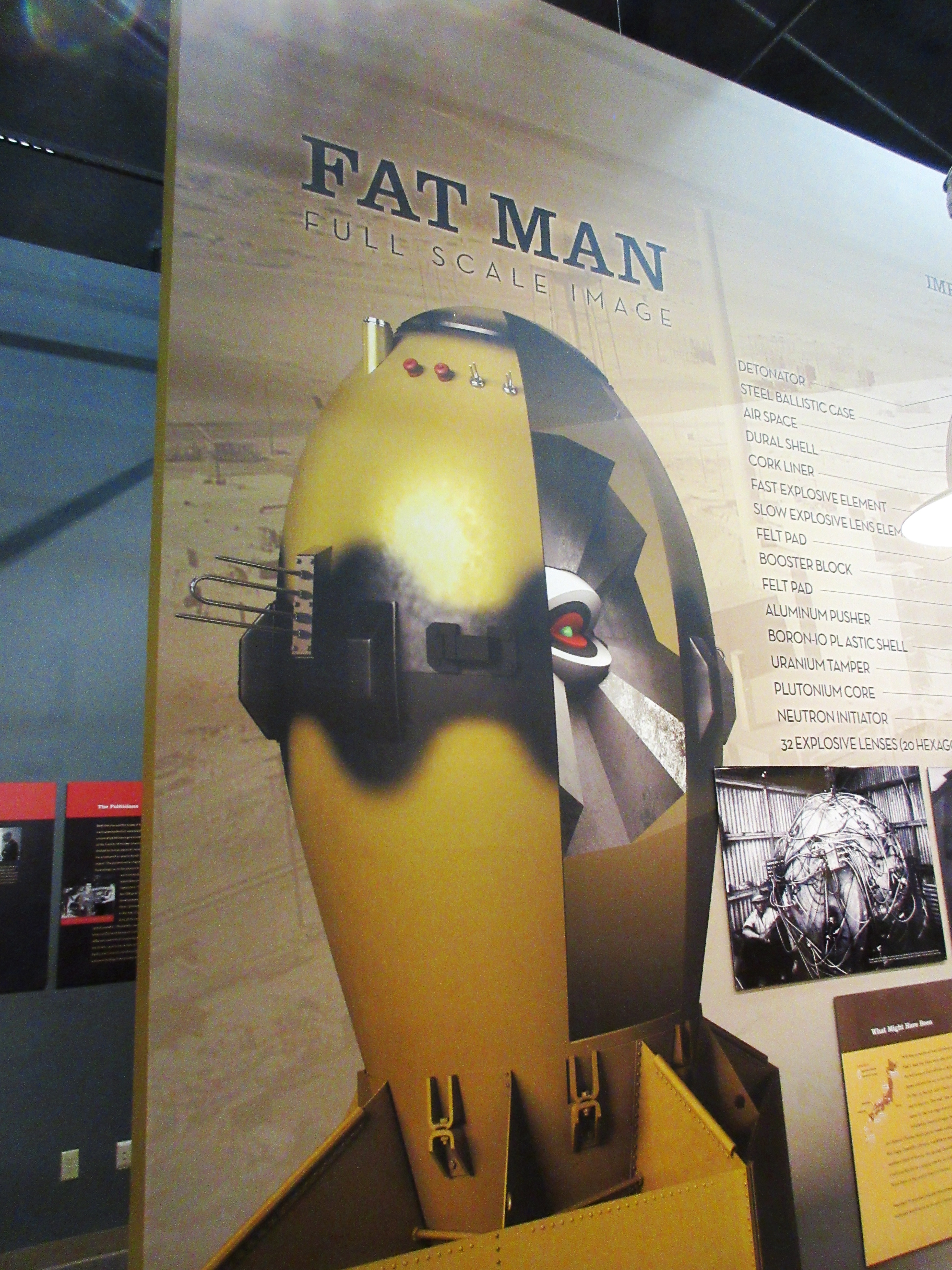
The museum itself is a hybrid – half of it is devoted to the geology and wildlife associated with the Columbia River, the other half tells the story of Hanford, the plutonium project, and the community’s pride in its contribution to ending the war. Only one exhibit addresses the threat of radioactive contamination left behind, and that exhibit invites you to compare the amount of radioactivity in a vintage Fiestaware coffee cup to that in a sample of dirt from Hanford. (Surprise! the coffee cup’s red glaze has more!)

The US government has belatedly spent millions of dollars to remove or contain contamination around Hanford, and will need to spend millions more before it is safe to drink the ground water. But the town is still proud of its contribution to V-J day, still cherishes the government houses (Models A through F) thrown up almost overnight to accomodate the families, and wishes that “Barbenheimer” was”Barbanford”

Freeway Free in California – Hidden Gem – Triton Musuem in Santa Clara

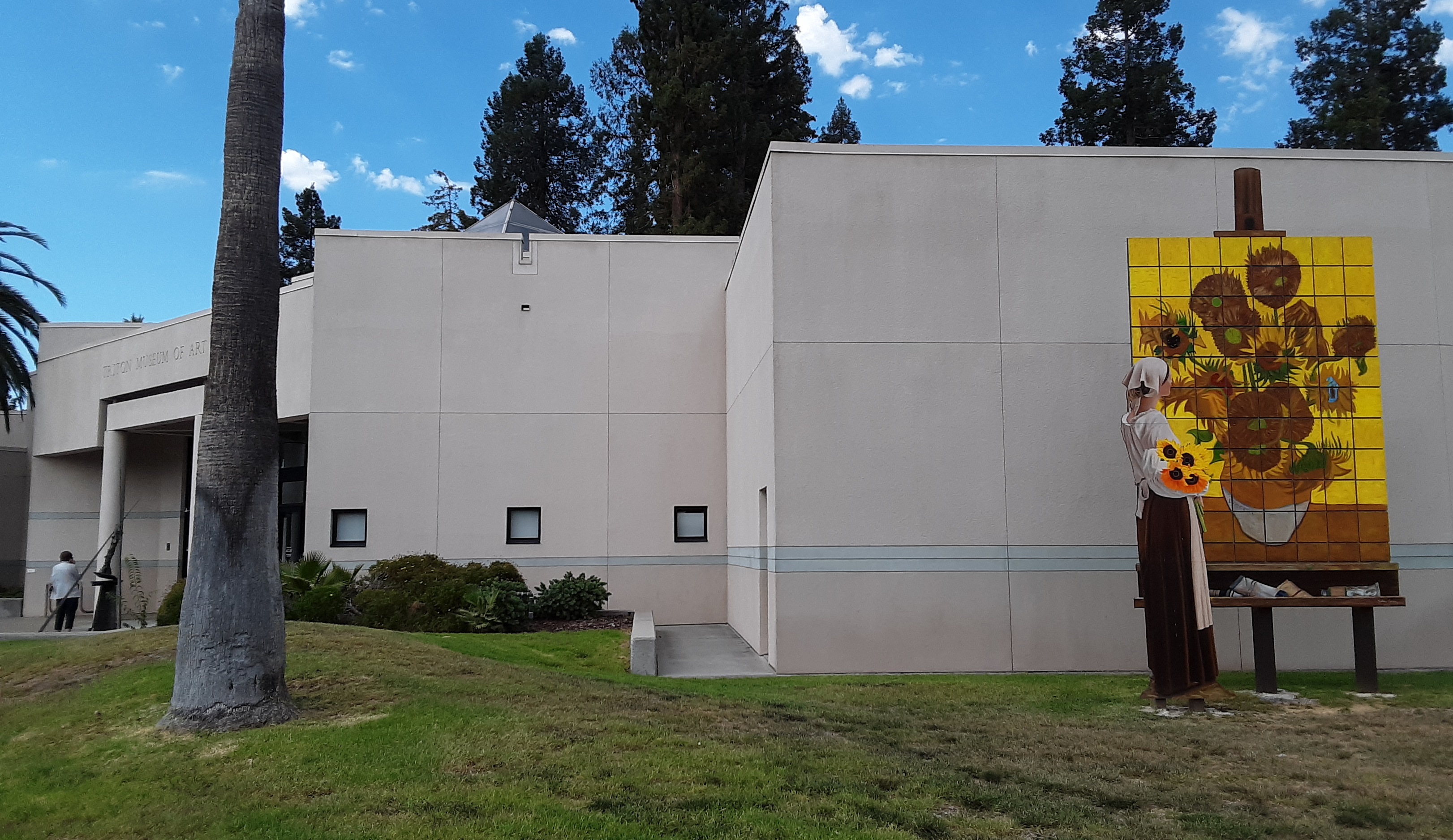
The Triton Museum of Art, tucked away in a quiet corner near the City Hall, is one of the many small museums dotting the Bay Area, and one of the pleasantest. It specializes in contemporary and historical works with an emphasis on artists of the Greater Bay Area. The permanent collection includes 19th and 20th century American art of the Pacific Rim, Europe and beyond plus an extensive collection of American Indian art and artifacts. The museum was founded in 1965 in San Jose, California, by rancher, lawyer and art patron W. Robert Morgan and his wife June.[3][4] It is the oldest non-university museum in Santa Clara County. 

On a recent visit, there were four major exhibits being celebrated. The first featured abstract sculptures by Jeff Owen, placed around the lobby in accessible spots. I saw one man taking a picture of his wife peeking through the circle of a sculpture, like one of those carnival sets where you are invited to put your face on a blowup of Marilyn Monroe.

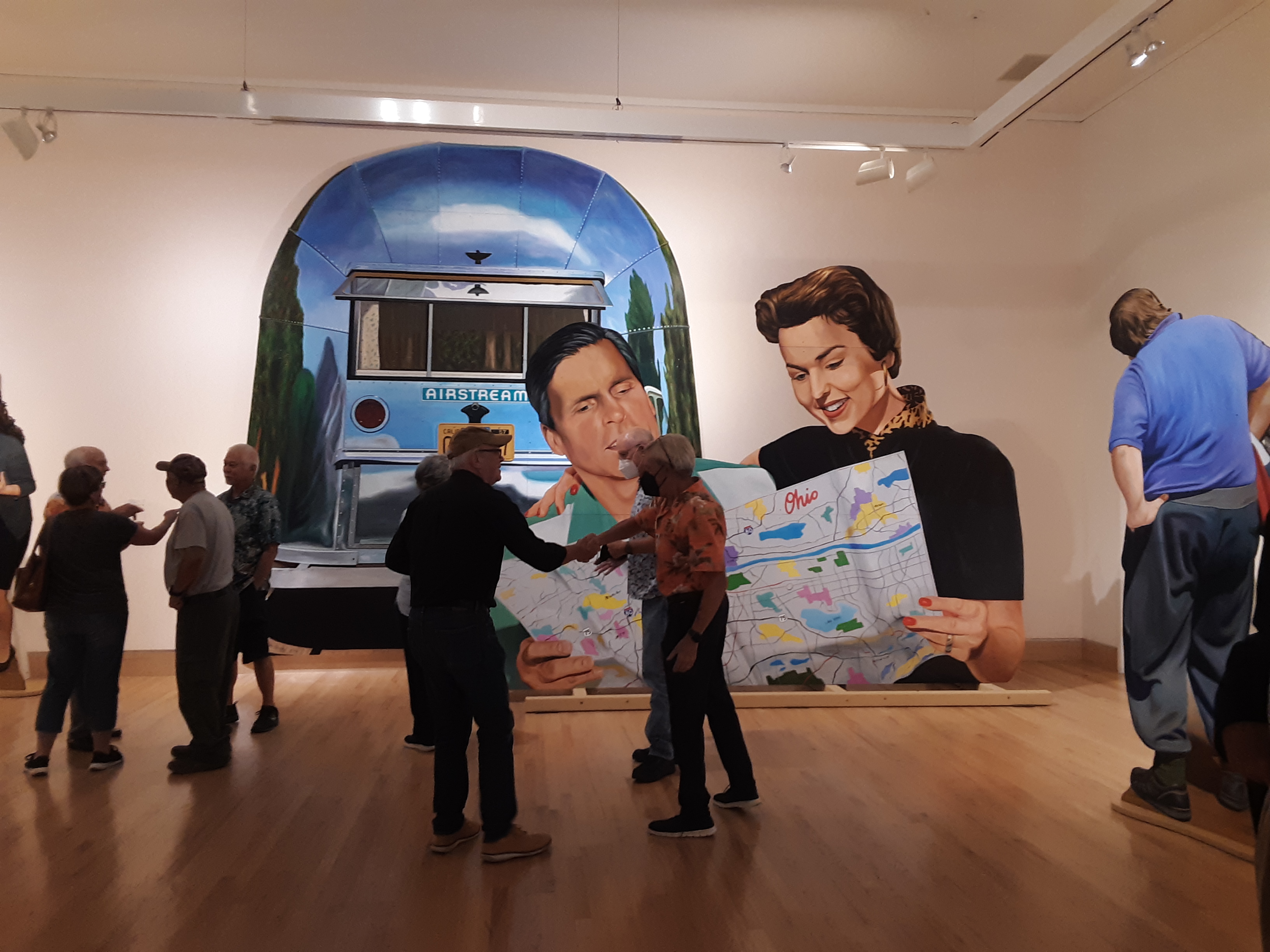
Perhaps she was inspired by the second exhibit, a collection of larger-than-life bill-board-like figures conceived by John Cerney and inviting viewers to make themselves part of the scene.

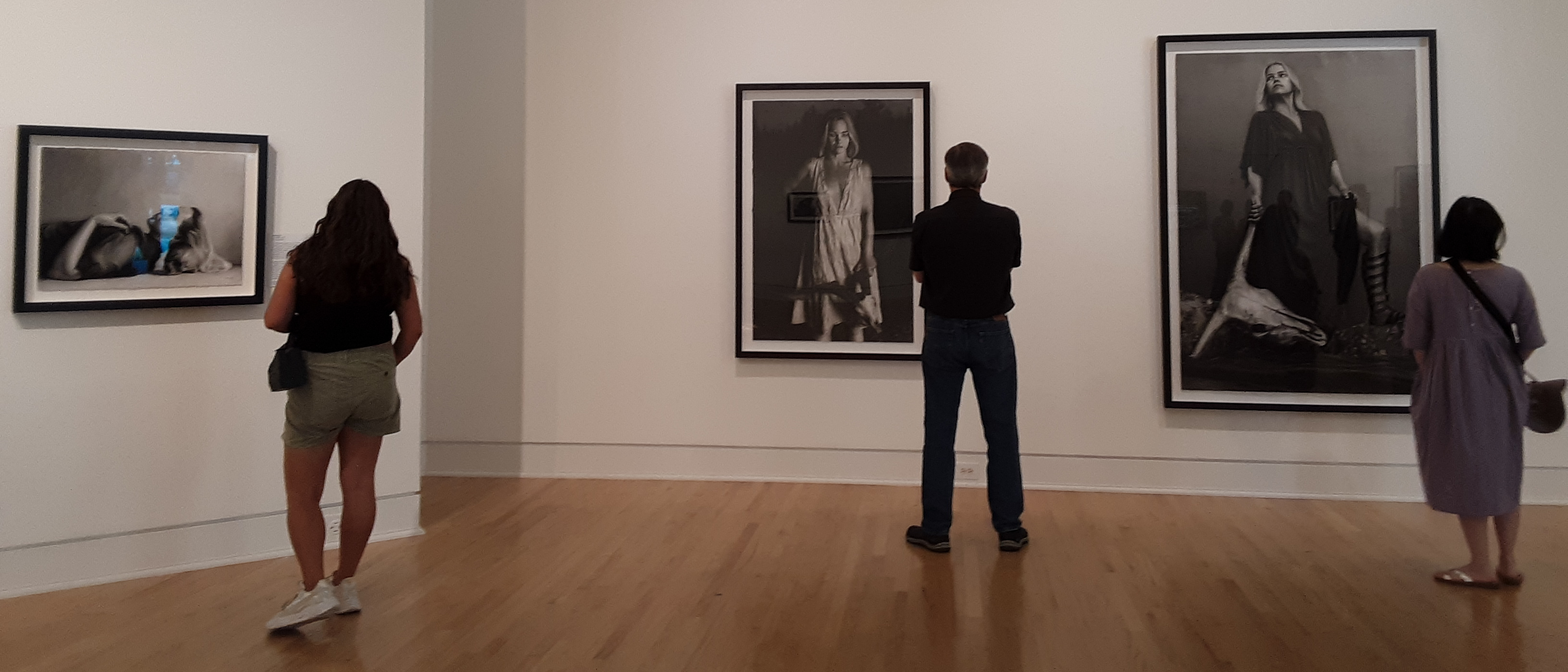
The third exhibit was a series of larger-than-life charcoal drawings, most of them self portraits of the artist Julie Grantz, and embodying a series of feminist themes.

The last and largest exhibit was a roomful of paintings by May Shei, inspired by Chinese tradition. They included calligraphy scrolls, delicate nature vignettes, vibrantly colored still lifes, and monumental landscapes in the style of Zhang Da Qian.

The Triton is perfectly sized to allow appreciation of the diversity of its offerings without wearing the viewer out with an over-supply of stimulation. Admission is free, as is the plentiful parking, though of course donations are encouraged.

Freeway Free in Colorado: Strolling through the past in Georgetown

Instead of turning north at the Granby junction off I-70, DM suggested that we continue another five miles and have our lunch in Georgetown, a discovery she and a friend had made in exploring the west side of the Colorado Rockies.

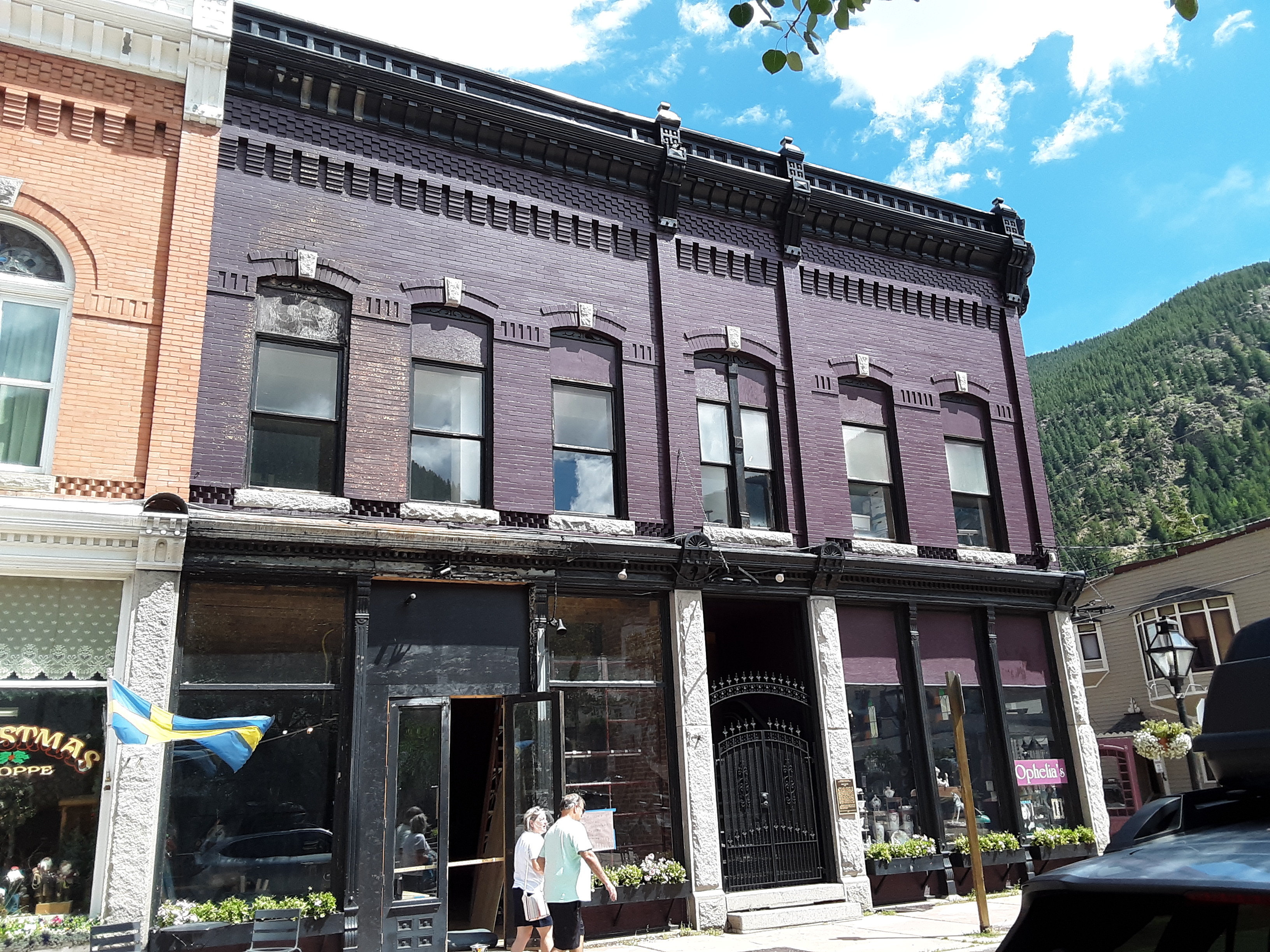
Georgetown is a town preserved in the 1889’s, except it has been somewhat cute-sified with colorful paint a la San Francisco’s Painted Ladies.  What used to be the bank is now painted a trendy purple and contains an assortment of “antiques”, “local crafts” (some made in China) and kitsch shops selling Xmas ornaments, Colorado souvenirs, “Indian” turquoise and silver jewelry,  etc.  The town includes several attractive restaurants; we ate at “The Happy Cooker” – a cottage with a cheerful patio outside decorated with oddments, friendly bustling service, and ample servings of French fries to go with wraps and salads. Wandering around as we waited for our table to be cleared I even found a shop with a fine assortment of Georgetown postcards – increasingly a rarity in the days of email and Instagram.

There is also a railroad running just outside of town, a relic of the old mining days. We did not visit the railroad, being on a schedule, but we heard a very authentic-sounding whistle, and there were postcards. (If you go, check out the railroad and report back!)

After lunch we strolled the other side of the street and stopped in at the charming little library beautifully laid out with the more modern children’s wing tucked away behind so as not to disturb the overall quaintness.

A perfect way to break a trip from Denver or Boulder to the western slope!

Freeway Free in California: Along the River in SLO

 This morning we went to downtown San Luis Obispo, magically stripped of its food stalls, produce, and acrobats from last night’s farmer’s market, and checked out the mission – lovely, quiet, full of apologetic acknowledgement of the mistreatment of Indigenous People’s.  We left W, who had seen plenty of missions, outside on a bench by the creek, and returned to find her having befriended Adrian, a very well-spoken and tidy vagrant who welcomed us all to SLO. 

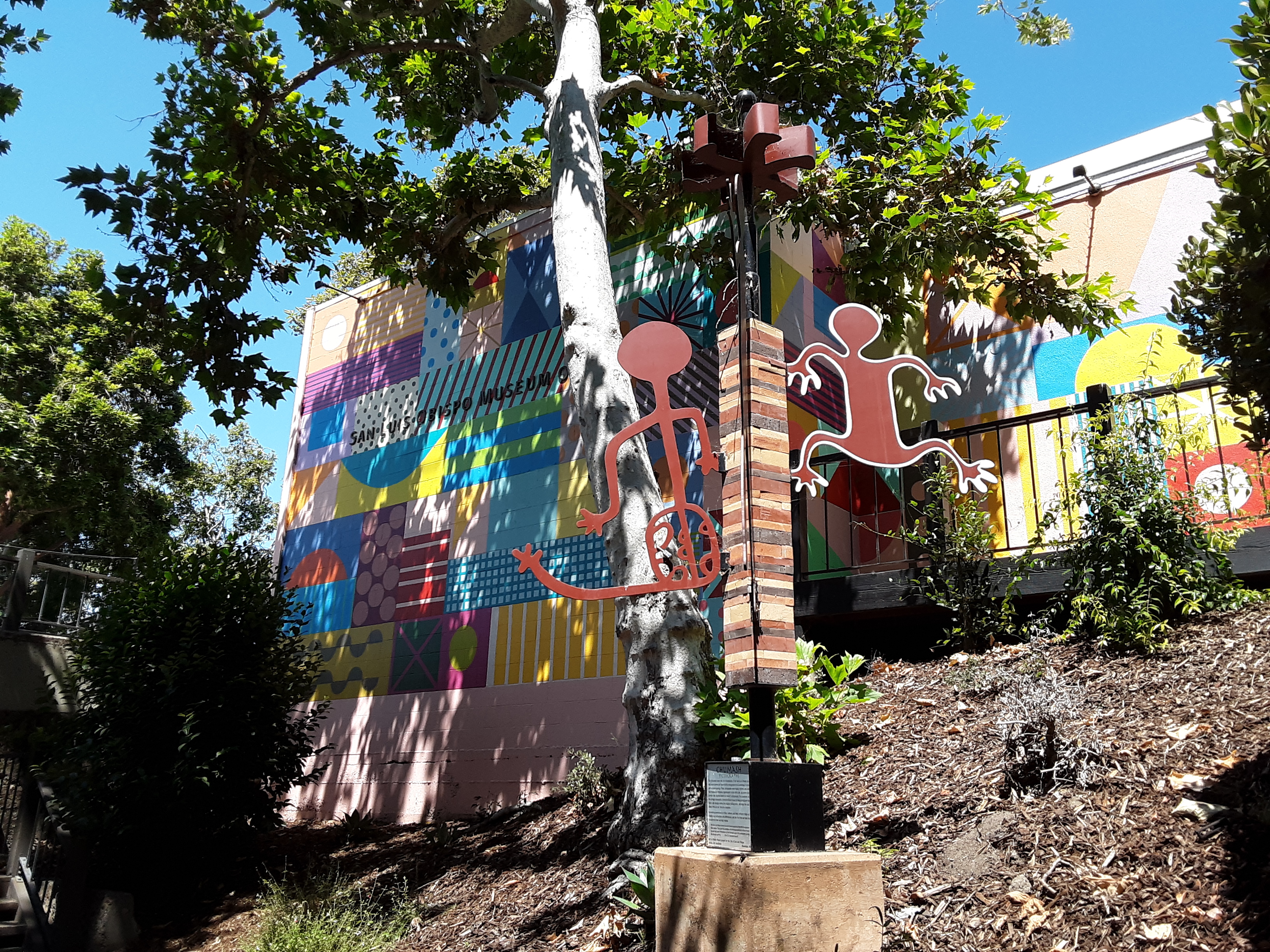
We wandered along thecreek to the SLO Art museum, a very small but attractive venue with three local artists exhibiting (loved Anila Agha’s India-inspired lanterns), plus a colorful abstract mural which wrapped completely around the outside of the museum.

On our way back to the car we couldn’t pass up the old Carnegie Library, now the home of the SLO History Museum.  The exhibits and the docent who talked about them were unexpectedly fascinating – I had to go out for extra time on our (very expensive) parking meter. The docent was a Viet Nam vet who knew a lot about the Dust Bowl and the Japanese internment, and is doing research on WR Hearst.  He explained and enhanced a lot about the old photos which were displayed, and recommended The Habit for a light hamburger lunch just a block away.

The Habit is a fast food place a cut or several above McDonalds – I had a fancy burger with mushrooms and garlic aioli and tempura string beans instead of fries for about $12 including tax.  The most unusual aspect is the ordering, all done at touch-screen kiosks at the front of the store, with a buzz to your cell phone when your order is ready.

When we left the mission in the morning, we had seen people setting up already for the free Friday concert in the Plaza in the evening. (People were already reserving their spaces at 11AM). We thought about attending, but decided instead to reserve a riverside table at Novo just down San Luis Obispo Creek from the mission and the Plaza.

 Our dinner at Novo was a triumph – all participants raised a toast to D for having suggested and reserved the place.  We were outside next to the creek, but far enough down the creek and across so that the noise of “The Molly Ringwald Experience” rock band going in in the Plaza was just incidental background noise.  

We feasted on four appetizer plates:  calamari with 2 kinds of sauce, roasted Brussels sprouts, warm Chèvre (goat cheese) with olives and sourdough toast, and minced chicken in lettuce cups.  We finished off with a shared chocolate decadence fudge thing, all deliciously accompanied by a generous pour of the house Merlot. 

Freeway Free in California: Cool Stays in SLO

If my posts have you thinking about a stop in San Luis Obispo, you’ll want a place to stay. Here are three very different choices:

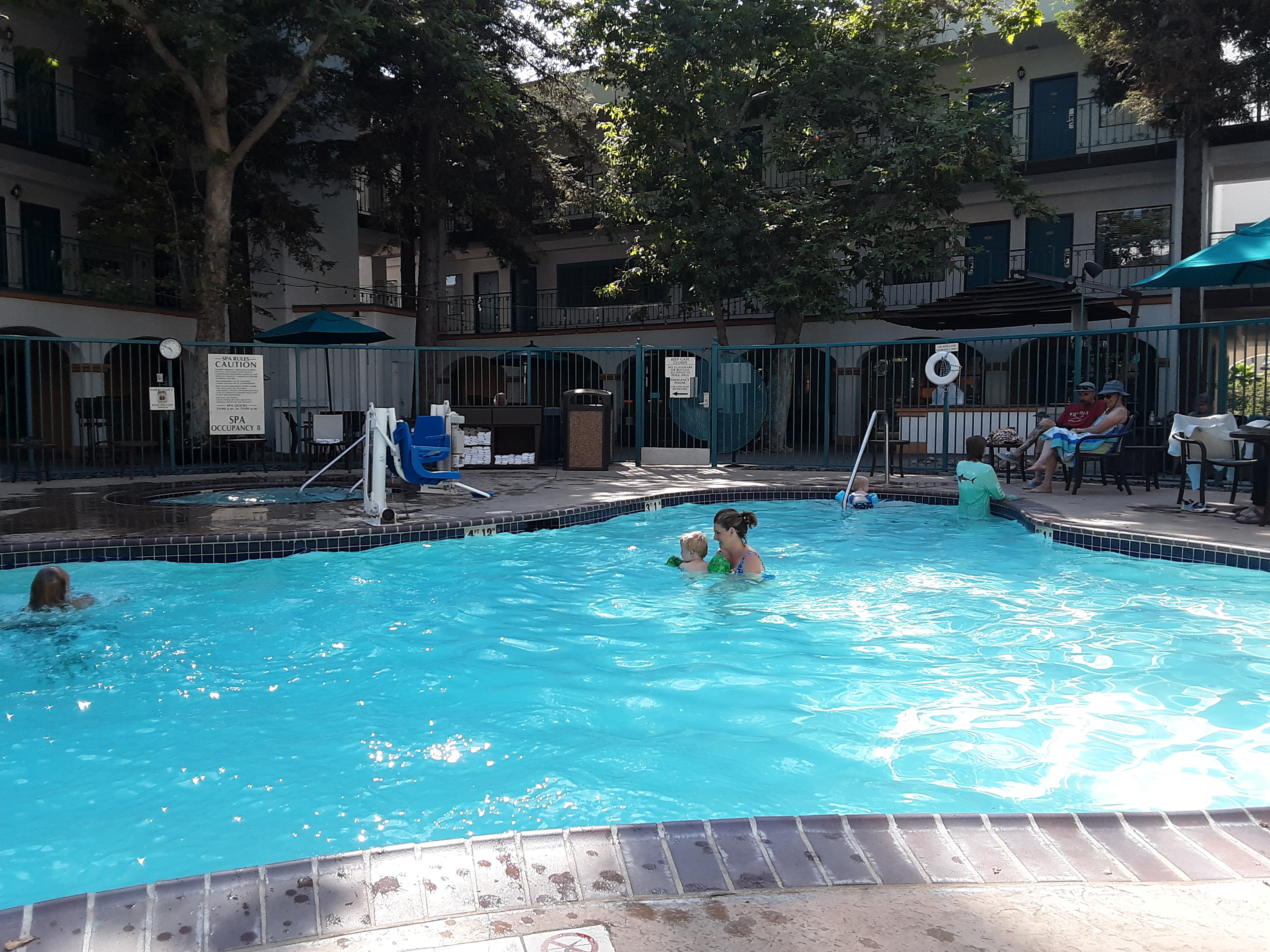
For families: Quality Inn Suites  (qualitysuitesslo.com) – Located well off the freeway and only a few blocks from downtown. This is a great value. TQuality Suites in SLO is a beautifully laid out establishment with lots of outdoor shady sitting spots for contemplation.  One courtyard adjoins the breakfast cafe and the Lobby and contains the spacious swimming pool as well as plenty of outdoor seating for patrons of the Cafe or the evening Manager’s Reception (one generous pour of wine or one beer.) The second, quieter courtyard hat has a gazebo, a fountain, and several tiled tables with benches for sitting as well as a gazebo and a fountain.). Behind the hotel is the river with several nicely situated benches for even quieter contemplation and perfect fend shut.

The complimentary hot breakfast offers a variety of egg dishes, pastries, bagels, cereals, and the usual trimmings.   In the evening along with the complimentary wind and beer, an evening barbecue grill on the swim deck offers hamburgers, hot dogs, cheese steak sandwiches, and grilled chicken sandwiches along with help-yourself salad fixings and cole slaw. If you want something fishy, I can recommend the Splash Cafe for takeout fish tacos and wraps just down Monterey Avenue.

The rooms are large and well equipped. W, C and I rented a Suite, which has two double beds plus a comfortable sofa bed. If you are traveling with children, the pool and the barbecue are easy entertainment and eating options if you have had a long traveling day or a strenuous time getting a student settled at Cal Poly.

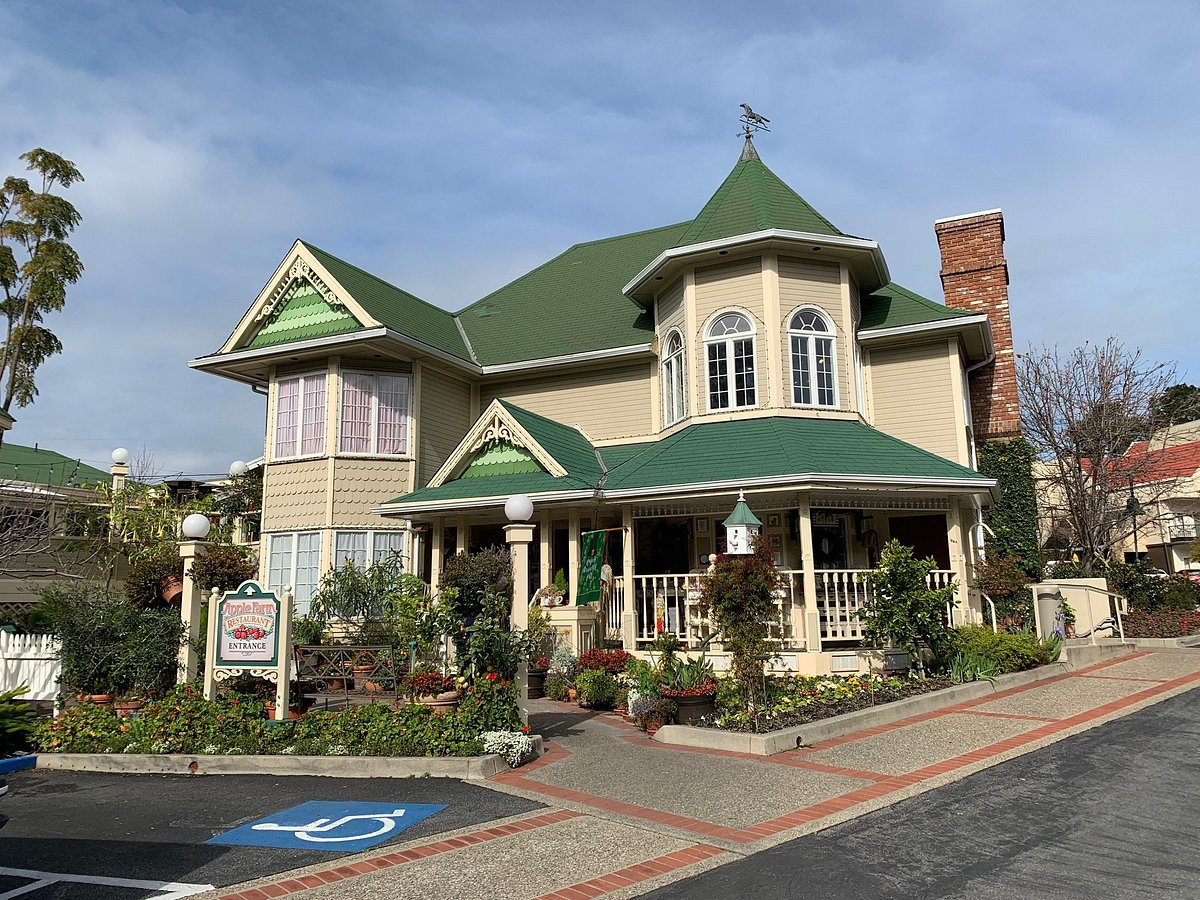
For couples or BFFs on a girls’ weekend who are into kitsch – The Apple Farm Inn is up the street from the Quality Inn, a little further from downtown, and offers floral decor and chintz galore, with poster beds, ruffled pillows, overstuffed chairs, and a gift shop full of china in traditional patterns and knickknacks. It’s a new establishment that is trying to be quaint, but with modern gas fireplaces in the rooms. D and I stayed here years back and remember that the breakfast, though not complimentary, was to die for (or die after from surfeit). Current pix look less ruffly and chintzy than I remember.

For couples who want genuine vintage without the kitsch and don’t mind stairs, the Garden Street Inn is a quaint and charming B&B located in a historic Victorian within easy walking distance of downtown. It has stained glass windows, a library with a ladder to help you to the top shelves, clawfoot tubs in the bathrooms, and a sunny breakfast area for enjoying a different creative breakfast every morning.

Freeway Free in California – SLO Farmers Festival

The San Luis Obispo “Farmers market” is justly famous, but not for farming.   I put the quotes because the actual produce-vending section occupies maybe two blocks, while the food stalls, real estate booths, craft booths, and beer dispensers made up at least five.  You might also see a balloon guy with balloons that light up in rainbow colors, an acrobat who climbs a pole held steady by four volunteers and does gymnastics thirty feet up in the air, a group of rock performers who alternate on instrument playing and K-pop style dancing, or a dancing dread-locked saxaphonist. 

The market is held every Thursday evening beginning at 6PM on SLO’s main street, Higueroa Street, which is decked in lights and lanterns and shut down to all but foot traffic. In summer, long-lasting daylight allows you to appreciate the beauty of the produce and see the performers more clearly, but there is something magical about lantern-light and sparkly garlands which will lure you to spend more time after dark.

The food-stall section offers a huge variety of walk-away food, as many of the local restaurants set up food stands and offer sample platters of their standard menu items. W and I shared a couple of platters of Indian food from the Shalimar restaurant, with mango lassi as drink/dessert, while C wolfed her way through a plate of large juicy beef BBQ ribs. Roasted corn on the cob, churros, tacos, gyros, hummus. BBQ chicken, varieties of satay,, ramen, and chowmein, ice cream, crepes, and many other exotic, vegan, and other choices were available.

W sat and people-watched (lots of summery swirly dresses, bare midriffs, ripped jeans… SLO is a college town, after all) while Cindy and I explored up and down the blocks. Market closed down at 9 and so did we, making it back to our hotel by 9:30 and everyone well-fed and snug in bed by 10. 

One word of warning: Parking in downtown SLO is expensive ($4/hour) and hard to come by on Market Night. I let W and C off a block from Higueroa and drove five blocks in the other direction before I found a parking place (at least it was beyond the range of the parking meters). Make sure to take note of where you park, and have a phone with a flashlight for your return, as the street lights of SLO are also few and far between once you are off the main drag.

Post Navigation